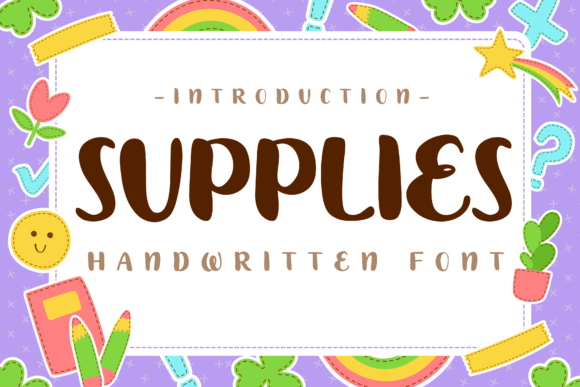
Supplies: The Handwritten Font That Balances Personality and Professionalism
In the crowded landscape of digital typography, finding a typeface that feels genuinely human without sacrificing legibility is a common challenge for designers and content creators. Supplies emerges as a compelling solution in this space. It is a handwritten font designed to mimic the natural flow of ink on paper, offering a warmth that sterile sans-serifs often lack. While its primary appeal lies in its ability to replicate personal note-taking, diary entries, or heartfelt greeting cards, its utility extends far beyond these traditional uses. From branding materials like banners and mugs to digital assets such as social media posts and website content, Supplies provides a versatile aesthetic bridge between casual creativity and professional presentation.
Understanding the Versatility of Supplies
Many users initially categorize handwritten fonts as niche tools suitable only for informal projects. This is a significant oversight. Supplies is engineered with a balance of irregularity and structure that allows it to perform well in commercial contexts. When used for stationery design, it evokes nostalgia and trust. When applied to apparel like shirts or promotional items like mugs, it adds a boutique, artisanal feel that resonates with modern consumers who value authenticity.
The font’s strength lies in its adaptability. A marketer might use it to highlight a key quote in an Instagram post, ensuring the text stands out against polished photography. An educator could employ it in worksheet headers to make learning materials feel more approachable for students. However, leveraging this versatility requires a nuanced understanding of how handwritten typography interacts with other design elements.
Common Pitfalls When Using Handwritten Typography
Despite its ease of use, many creators make critical errors when integrating Supplies into their projects. These mistakes often stem from treating the font like a standard system typeface rather than a decorative element with specific behavioral traits. Avoiding these pitfalls is essential for maintaining quality and communication clarity.
Mistake 1: Ignoring Legibility at Small Sizes
One of the most frequent errors is using Supplies for body text or small captions. Handwritten fonts rely on unique character shapes and connecting strokes that can become indistinct when scaled down. If you attempt to use this font for long paragraphs on a website or fine print on a product label, the result is often eye strain for the reader and a perception of poor design quality.
Better Approach: Reserve Supplies for headlines, short quotes, logos, or accent text. Pair it with a clean, highly legible sans-serif or serif font for body copy. This contrast not only improves readability but also highlights the personality of the handwritten element. For example, use Supplies for a banner headline and a simple geometric font for the supporting details.
Mistake 2: Overusing Decorative Effects
Because Supplies already has a distinct visual character, adding excessive effects such as heavy drop shadows, bright outlines, or complex textures can clutter the design. Beginners often feel the need to "enhance" the font, not realizing that its charm lies in its simplicity. Over-decoration can make the text look amateurish and distract from the message.
Better Approach: Let the font speak for itself. Use solid colors that contrast well with the background. If you need emphasis, consider adjusting the weight or size rather than adding graphical effects. For digital designs, ensure there is ample white space around the text to let the handwritten strokes breathe.
Mistake 3: Neglecting Contextual Appropriateness
While Supplies is versatile, it is not universal. Using a casual, handwritten style for serious legal documents, corporate financial reports, or high-stakes medical information can undermine the authority of the content. The mismatch between tone and typeface can confuse the audience and reduce trust.
Better Approach: Evaluate the emotional tone of your project. Supplies is ideal for brands that want to appear friendly, creative, or personal. It works beautifully for lifestyle blogs, handmade product packaging, and community event flyers. However, for formal communications, stick to traditional typefaces. Knowing when not to use a font is just as important as knowing when to use it.
Technical Considerations for Optimal Results
Beyond aesthetic choices, technical execution plays a vital role in how Supplies performs across different media. Whether you are designing for print or screen, certain factors influence the final output.
- Kerning and Spacing: Handwritten fonts often have variable spacing between characters. Always check the kerning manually, especially in logos or short titles. Adjusting the tracking slightly can prevent letters from colliding or appearing too distant, ensuring a cohesive look.
- Color Contrast: Since handwritten strokes can be thinner than block letters, ensure sufficient contrast between the text color and the background. Light gray text on a white background may look elegant in a mockup but disappear in real-world lighting conditions or on low-quality screens.
- File Formats: When using Supplies for web design, ensure you are using optimized web-font formats like WOFF2 to maintain fast loading times. For print projects like cards or shirts, use high-resolution vector files to keep edges sharp and clean.
Evaluating Supplies for Your Specific Needs
Before committing to using Supplies in a major project, take a moment to test it in context. Create a mockup that includes the intended background images, complementary fonts, and color palette. View the design at actual size, not just zoomed in on your screen. Print a test copy if the final output is physical. This step helps identify issues with readability or visual balance that might not be apparent during the initial design phase.
Consider the audience’s expectations. If you are targeting a younger demographic on social media, the casual nature of Supplies aligns well with current trends. For a more mature audience purchasing high-end stationery, ensure the layout is refined and uncluttered to maintain a sense of sophistication.
Making the Right Choice for Your Creative Toolkit
Adding Supplies to your design resources is an investment in versatility. It offers a genuine handwritten aesthetic that can elevate personal projects and professional branding alike. By avoiding common mistakes such as poor sizing, over-decoration, and contextual mismatches, you can maximize its potential. Remember that effective typography is about communication first and decoration second. Use Supplies to add warmth and humanity to your designs, but always prioritize clarity and purpose.
Whether you are crafting a heartfelt diary entry, designing a catchy banner for a small business, or creating engaging content for social media, this font provides the tools to express individuality. Take the time to experiment with pairings and layouts, and you will find that Supplies becomes an indispensable part of your creative workflow, helping you connect with your audience through authentic, visually appealing text.