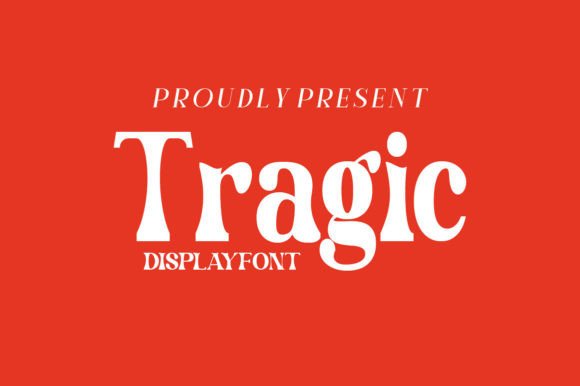
Tragic: A Quirky Display Font for Bold Designs
In the crowded landscape of digital design, standing out requires more than just clean lines and safe choices. It demands personality, character, and a distinct visual voice that captures attention instantly. This is where Tragic enters the conversation. As a fun and quirky display font, it offers designers, marketers, and content creators a powerful tool to break away from the monotony of standard typography. Whether you are working on a social media campaign, a product label, or a personal blog header, integrating Tragic into your creative projects can transform ordinary layouts into memorable visual experiences.
Typography is often the unsung hero of effective communication. While images draw the eye, text delivers the message. When that text is rendered in a typeface with inherent charm and eccentricity, the message gains an emotional layer before a single word is read. Tragic is designed specifically for this purpose. It is not intended for long-form body copy or dense legal documents. Instead, it thrives in headlines, logos, posters, and short bursts of text where impact is paramount. By understanding how to leverage its unique aesthetic, you can elevate your brand identity and engage your audience on a deeper level.
Injecting Personality into Brand Identity
For entrepreneurs and small business owners, establishing a recognizable brand identity is crucial. Many startups fall into the trap of using generic sans-serif fonts that, while professional, often fail to convey the unique spirit of the company. Tragic provides an immediate solution to this problem. Its quirky nature suggests creativity, approachability, and a willingness to think differently.
Consider a local coffee shop that wants to distinguish itself from large corporate chains. Using Tragic for their signage, menu boards, and merchandise can create a warm, inviting, and slightly whimsical atmosphere. It signals to customers that this is a place with character, where attention to detail matters. Similarly, a freelance illustrator or graphic designer might use Tragic in their portfolio website headers to showcase their artistic flair. The font acts as a visual handshake, introducing the creator as someone who values originality and fun.
The key here is alignment. Tragic works best for brands that want to appear human, accessible, and lively. It may not be the right fit for a law firm or a financial institution where seriousness and tradition are the primary values. However, for lifestyle brands, creative agencies, educational platforms for children, or artisanal product lines, it can be a game-changer. It helps these entities communicate their core values without needing excessive explanatory text.
Enhancing Visual Hierarchy and Engagement
In marketing materials, capturing attention within the first few seconds is critical. Social media feeds are fast-paced, and users scroll quickly past content that does not immediately resonate. Tragic’s bold and distinctive shapes make it an excellent choice for creating strong visual hierarchy. When used for headlines or call-to-action buttons, it draws the eye naturally, guiding the viewer through the design.
For bloggers and content creators, using Tragic for post titles or section headers can break up text-heavy pages and make content feel more digestible and engaging. It adds a rhythmic quality to the layout, providing visual rest points that keep readers interested. For example, a travel blogger might use Tragic for destination names in a photo collage, adding a playful touch that mirrors the excitement of exploration. A food blogger could use it for recipe titles, making them feel more like invitations than instructions.
This enhanced engagement is not just about aesthetics; it is about functionality. By making key information stand out, you improve the user experience. Readers can scan content more efficiently, finding what they need without frustration. This efficiency translates to better retention rates and higher conversion probabilities, whether the goal is newsletter sign-ups, product purchases, or simple time-on-page metrics.
Practical Applications Across Creative Projects
The versatility of Tragic extends beyond traditional branding. Its quirky nature makes it suitable for a wide range of specific applications where a touch of humor or uniqueness is appreciated. Here are several practical scenarios where this font can deliver meaningful results:
- Event Invitations: Whether for a birthday party, a workshop, or a community gathering, Tragic can set the tone for a fun and relaxed event. It removes the stiffness often associated with formal invitations.
- Packaging Design: For products like handmade soaps, craft beers, or organic snacks, Tragic can add a handcrafted feel to the packaging. It suggests authenticity and care, which are significant selling points for conscious consumers.
- Educational Materials: Teachers and educators can use Tragic to make worksheets, presentations, and classroom decorations more appealing to students. It reduces the intimidation factor of learning materials and encourages participation.
- Digital Ads: In banner ads or social media stories, short, punchy text in Tragic can convey urgency or excitement without appearing aggressive. It balances promotion with playfulness.
When implementing Tragic in these contexts, it is important to consider contrast and spacing. Because it is a display font with unique characteristics, it needs room to breathe. Crowding the letters or placing them against busy backgrounds can diminish their impact. Pairing Tragic with a simple, neutral sans-serif font for body text creates a balanced composition that is both eye-catching and readable.
Navigating Limitations and Best Practices
While Tragic offers numerous benefits, it is essential to recognize its limitations to use it effectively. As a display font, it is not designed for readability at small sizes or in long paragraphs. Using it for body text can lead to reader fatigue and decreased comprehension. Always reserve Tragic for headings, titles, logos, and short phrases.
Additionally, context matters. Before selecting Tragic for a project, ask yourself if the tone aligns with the message. If the subject matter is serious, somber, or highly technical, a more conventional typeface may be more appropriate. Tragic shines in environments that welcome creativity and informality. It is a tool for expression, not a universal solution for all typographic needs.
Another consideration is accessibility. Ensure that there is sufficient contrast between the text color and the background. Quirky fonts can sometimes be harder to read for individuals with visual impairments, so testing your designs with accessibility tools is a responsible practice. By using Tragic thoughtfully and responsibly, you can maximize its benefits while maintaining inclusivity and clarity.
Conclusion: Embracing Creativity with Tragic
Incorporating Tragic into your design toolkit is an investment in creativity and differentiation. It allows you to communicate not just what you say, but how you say it, adding layers of meaning and emotion to your visual projects. From strengthening brand identity to enhancing user engagement, the practical benefits are clear for those willing to step outside the bounds of traditional typography.
As you plan your next creative endeavor, consider how a fun and quirky display font can support your goals. Experiment with Tragic in your headlines, logos, and promotional materials. Observe how it changes the feel of your work and how your audience responds. By embracing its unique character, you can create designs that are not only visually appealing but also deeply resonant. Add it to your creative projects and enjoy the results, knowing that you have chosen a tool that values personality as much as precision.