Why Zuck Acho Is the Quirky Display Font Your Creative Projects Need
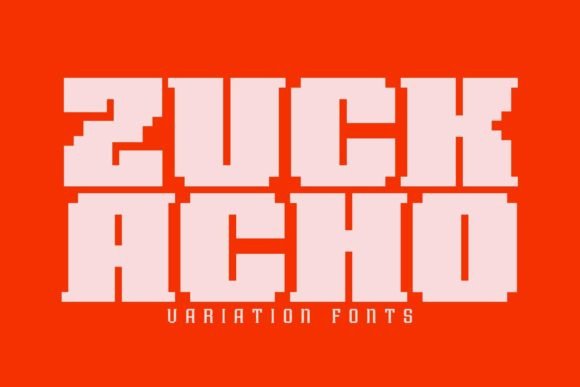
Choosing the right typeface is often the difference between a design that feels amateurish and one that commands attention. In the vast ocean of digital typography, finding a font that balances personality with readability can be a challenge. This is where Zuck Acho enters the conversation. It is an incredibly quirky and sweet display font that brings a unique energy to any layout. Whether you are designing for cartoon-related projects, children’s games, or simply want to add a lovely touch to your branding, this typeface offers a distinct visual voice. However, many creators make critical errors when integrating such expressive fonts into their work, leading to cluttered designs or missed communication goals.
The Trap of Overusing Expressive Typography
One of the most common mistakes designers make with fonts like Zuck Acho is assuming that "more is better." Because the font is inherently playful and visually stimulating, there is a temptation to use it for every element on a page. This approach rarely works. Display fonts are designed for headlines, short captions, or logos—not for body text. When you stretch a quirky typeface across long paragraphs, you sacrifice legibility. Readers may struggle to parse the information, leading to higher bounce rates on websites or disengagement from printed materials.
To avoid this pitfall, treat Zuck Acho as a spice rather than the main course. Use it for titles, call-to-action buttons, or standout quotes. Pair it with a clean, neutral sans-serif or a highly readable serif for the bulk of your content. This contrast allows the personality of Zuck Acho to shine without overwhelming the viewer. For example, if you are creating a poster for a local kids' festival, let the event name pop in Zuck Acho while keeping the date, time, and location details in a simple, structured font. This hierarchy guides the eye naturally and ensures the message is received clearly.
Misunderstanding Context and Audience Fit
Another frequent oversight is ignoring the contextual appropriateness of the font. While Zuck Acho is versatile within its niche, it is not a universal solution. Some entrepreneurs mistakenly believe that using a "fun" font will automatically make their brand appear approachable. However, if you are selling high-end financial consulting services or legal advice, this aesthetic may undermine your credibility. The mismatch between the tone of the font and the seriousness of the service creates cognitive dissonance for the potential client.
Before downloading or purchasing, ask yourself: Does this font align with the emotional response I want to evoke? Zuck Acho excels in environments that value warmth, creativity, and informality. It is perfect for educational apps, toy packaging, bakery menus, or creative portfolios. If your project requires a stern, corporate, or minimalist vibe, look elsewhere. Understanding the semantic weight of your typography choices is crucial for effective communication. A well-chosen font reinforces your brand identity; a poorly chosen one dilutes it.
Neglecting Technical Compatibility and Licensing
Beyond aesthetics, practical considerations often get overlooked. Many beginners download fonts from unverified sources, risking malware infection or poor file quality. Even when obtained legally, users frequently fail to check the license terms. Using a personal-use-only font for a commercial client project can lead to severe legal repercussions and unexpected costs. Always verify the licensing agreement associated with Zuck Acho before incorporating it into paid work or products for sale.
Additionally, consider technical performance. Display fonts can sometimes have complex vector paths that increase file size. If you are embedding the font in a website, ensure it is properly optimized for web use. Large font files can slow down page load times, negatively impacting user experience and SEO rankings. Test the font across different devices and browsers. What looks charming on a high-resolution desktop monitor might render poorly on a mobile screen if the weight is too thin or the spacing is too tight. Adjust kerning and line height specifically for digital displays to maintain clarity.
Poor Color and Background Choices
The visual impact of Zuck Acho is heavily dependent on how it interacts with color and background. A common error is placing this detailed, quirky font against busy patterns or low-contrast backgrounds. Because the letterforms have unique curves and irregularities, they need breathing room. Cluttered backgrounds compete with the typography, making the text difficult to read and visually exhausting.
For best results, use high-contrast combinations. Dark text on a light, solid background—or vice versa—ensures maximum readability. If you must use a textured background, consider adding a subtle drop shadow or a semi-transparent overlay behind the text to separate it from the noise. Remember, the goal is to highlight the sweetness and quirkiness of the font, not to hide it. Experiment with pastel palettes or bold primary colors depending on your target demographic, but always prioritize clarity over decorative excess.
Ignoring Hierarchy and Spacing
Typography is not just about selecting a font; it is about arranging it. Many users install Zuck Acho and type out their message without adjusting tracking (letter spacing) or leading (line spacing). Display fonts often require tighter or looser spacing than standard text fonts to look balanced. Ignoring these adjustments can make words look cramped or disjointed.
Take the time to fine-tune the spacing. In all-caps headings, slightly increasing the tracking can improve readability and give the design a more premium feel. For mixed-case titles, ensure the ascenders and descenders do not collide with adjacent lines. These small tweaks demonstrate professionalism and attention to detail. They transform a generic layout into a polished, intentional design. Tools like Adobe Illustrator or Figma offer precise controls for these adjustments, allowing you to see the impact in real-time.
Making the Right Decision for Your Project
Ultimately, Zuck Acho is a powerful tool when used with intention. It offers a delightful alternative to sterile, corporate typefaces, injecting joy and character into your creations. To maximize its potential, avoid the traps of overuse, context mismatch, and technical negligence. By pairing it wisely, respecting licensing rules, optimizing for performance, and refining your spacing, you can elevate your design work significantly.
Before finalizing your choice, create a mockup. See how Zuck Acho looks in situ with your actual content and imagery. Ask peers for feedback on readability and tone. If the font enhances the message without distracting from it, you have made the right choice. Embrace the quirks, respect the constraints, and let your creativity flow with confidence. Whether you are a seasoned designer or a hobbyist exploring new tools, understanding these nuances will help you produce work that is not only visually appealing but also functionally effective.