Cannibold: Mastering Bold, Modern Typography for Impactful Design
In the crowded visual landscape of digital media and print, capturing attention within seconds is not just an advantage; it is a necessity. Designers, marketers, and brand managers constantly search for tools that cut through the noise without sacrificing readability or aesthetic integrity. This is where Cannibold emerges as a critical resource. As a bold, modern, and square font, Cannibold represents more than just a typeface; it is a strategic design element that exudes confidence and contemporary flair. By understanding how to leverage its clean lines and strong presence, creators can transform ordinary layouts into striking visual statements that demand attention.
The Psychology of Strength in Typography
Typography is often described as the voice of your content. When that voice needs to be authoritative, assertive, and unmistakable, thin serifs or delicate scripts fall short. The primary challenge many brands face is establishing immediate credibility and power. A weak typographic choice can undermine a strong message, causing viewers to scroll past or disregard the information entirely.
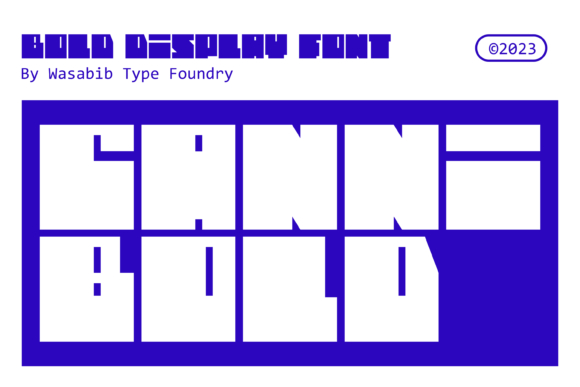
Cannibold addresses this need by offering a typographic style that is meticulously crafted to create a striking visual impact. The bold weight of this font adds a tangible sense of strength and power to every character. It conveys assertiveness, ensuring that your headline or logo stands out even from a distance. For businesses looking to project stability and innovation simultaneously, the thickness of the strokes gives each letter a solid and substantial feel. This is not merely about size; it is about visual weight and the psychological impression of permanence and reliability.
Identifying the Right Use Cases
While versatility is a valuable trait in any font, Cannibold shines brightest in specific applications where impact is paramount. Understanding where to apply this typeface ensures you maximize its potential without overwhelming your audience.
- Headlines and Hero Sections: On websites, the first thing a user sees is often the hero text. Using Cannibold here ensures that your value proposition is read immediately. Its square structure provides excellent legibility even at large sizes.
- Logo Design: For startups and rebranding efforts, a logo needs to be memorable. The clean lines of Cannibold make it ideal for logotypes that need to look modern yet timeless.
- Poster and Print Advertising: In physical spaces, competition for eye contact is fierce. The high contrast and bold nature of this font make it perfect for posters, billboards, and flyers where quick comprehension is key.
- Packaging: Product packaging must stand out on shelves. Cannibold’s substantial feel helps product names pop against complex backgrounds or minimalist designs.
Practical Implementation Strategies
Adopting a bold font like Cannibold requires a thoughtful approach to layout and hierarchy. Because the font itself is so dominant, it interacts differently with other design elements compared to lighter typefaces. Here are practical recommendations for integrating Cannibold into your workflow effectively.
Balancing White Space
One common mistake when using heavy fonts is crowding them. To let Cannibold breathe, you must increase white space around the text. The "square" nature of the font means it occupies a significant amount of horizontal and vertical space. By providing ample padding and margin, you enhance the font's premium feel. Cluttered layouts diminish the impact of bold typography, whereas open layouts amplify its confidence.
Pairing with Complementary Typefaces
Cannibold is designed for impact, which means it is generally not suitable for long-form body text. To create a harmonious design, pair it with a neutral, highly readable sans-serif or a classic serif for body copy. The contrast between the bold, geometric shapes of Cannibold and a lighter, more traditional font creates a dynamic visual hierarchy. This guides the reader’s eye naturally from the attention-grabbing headline to the detailed content below.
Color and Contrast Considerations
The effectiveness of Cannibold is heavily influenced by color choices. Due to its thick strokes, it works exceptionally well in high-contrast scenarios. Black text on a white background is classic, but don’t shy away from vibrant colors. The solid feel of the letters allows them to hold up against bright backgrounds or gradients. However, avoid low-contrast combinations, such as light gray on white, as the intricate details of the square edges may get lost.
Tailoring the Approach for Different Users
Different professionals will find unique value in Cannibold depending on their specific goals and constraints.
For Graphic Designers: Your focus is on aesthetic cohesion and trend alignment. Cannibold fits seamlessly into the current trend of maximalist minimalism—where bold statements are made with simple forms. Use it to anchor your compositions and create focal points that guide the viewer’s journey through the design.
For Marketers and Advertisers: Your goal is conversion and recall. Use Cannibold in call-to-action buttons or key benefit statements. The assertiveness of the font subconsciously encourages action. When users see a bold, clear directive, they are more likely to engage than when faced with timid or ambiguous typography.
For Web Developers: Performance and readability are your priorities. Ensure that the font files are optimized for web use to maintain fast loading times. Since Cannibold is a display font, it should be loaded with priority for above-the-fold content, while body fonts can load subsequently. Test responsiveness carefully; ensure that the bold weight does not cause line-height issues on mobile devices.
Overcoming Common Design Challenges
Even with a powerful tool like Cannibold, designers may encounter hurdles. One frequent issue is perceived aggression. A font that is too bold can sometimes feel shouting rather than speaking. To mitigate this, adjust the tracking (letter spacing). Slightly increasing the space between letters can add a touch of elegance and reduce the visual density, making the text feel more inviting while retaining its strength.
Another consideration is accessibility. While bold text is generally easier to read for those with visual impairments, ensure that the contrast ratios meet WCAG guidelines. The clarity of Cannibold’s characters is an asset here, but only if the color palette supports it. Always test your designs with accessibility checkers to ensure inclusivity.
Conclusion: Elevating Your Visual Communication
In a world where attention is the most scarce currency, choosing the right typography is a strategic decision. Cannibold offers a compelling solution for those who need to communicate with authority, clarity, and modern style. Whether you are designing a new brand identity, crafting a high-impact ad campaign, or refreshing a website’s header, this font provides the structural integrity and visual punch necessary to captivate your audience.
By understanding the psychology behind bold typography and applying best practices for spacing, pairing, and color, you can harness the full potential of Cannibold. It is not just about making text bigger; it is about making your message matter. Embrace the confidence that comes with clean lines and strong presence, and let your designs speak with the volume and clarity they deserve.