Java Sakura: Evaluating the Role of Hand-Drawn Japanese Typography in Modern Design
In the saturated landscape of digital typography, finding a typeface that balances authentic cultural aesthetics with practical usability is a significant challenge for designers. Java Sakura emerges as a distinct option in this space, positioning itself not merely as a font, but as a curated design asset infused with the elegant essence of Japanese typography. For professionals working on branding, editorial layouts, or event materials, understanding the specific characteristics of this hand-drawn typeface is essential before integrating it into a project workflow.
This analysis explores what makes Java Sakura unique, how it compares to standard digital fonts and other stylized alternatives, and where it fits best within a professional designer’s toolkit. By examining its strengths and limitations, you can make an informed decision about whether this resource aligns with your creative objectives.
The Distinctive Character of Hand-Drawn Artistry
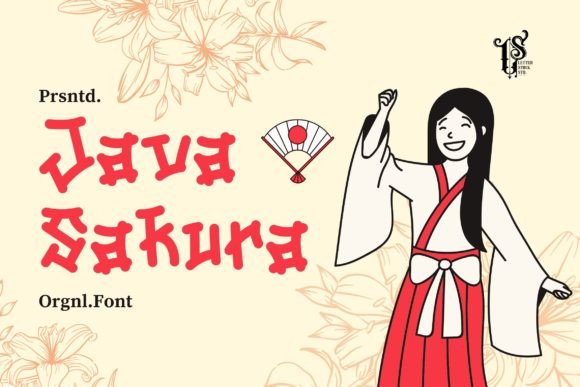
Unlike standard sans-serif or serif fonts generated through geometric algorithms, Java Sakura is defined by its original hand-drawn artistry. Each character has been meticulously crafted to reflect the organic imperfections and fluid strokes associated with traditional brushwork. This approach creates a visual texture that static, vector-based fonts often struggle to replicate without appearing artificial.
The core appeal lies in its ability to convey serene charm and sophistication. The graceful strokes and subtle curves are not just decorative; they serve a communicative function, signaling elegance, tradition, and mindfulness to the viewer. When you immerse yourself in the details of Java Sakura, you notice the variation in line weight and the gentle tapering of terminals, which mimic the pressure changes of a physical brush on paper. This level of detail adds an element of cultural richness that can elevate a design from functional to emotive.
However, this hand-drawn nature also introduces specific considerations. Because every letter is unique, consistency across long blocks of text can vary. This is not necessarily a flaw, but a feature that requires careful management. Designers must evaluate whether the project benefits from this organic variability or if it requires the rigid uniformity of a machine-made typeface.
Comparing Java Sakura with Standard and Stylized Alternatives
To understand the value proposition of Java Sakura, it is helpful to compare it against broader categories of typography available to designers today.
Vs. Standard Digital Serifs and Sans-Serifs
Standard fonts like Helvetica or Garamond are designed for maximum legibility and neutrality. They are ideal for body copy in reports, websites, or technical manuals where clarity is paramount. Java Sakura, by contrast, is expressive. It is not suitable for dense paragraphs of text where readability is the primary goal. Instead, it competes in the realm of display typography. If your project requires a neutral voice, Java Sakura is likely the wrong choice. If your project needs a voice that speaks of heritage, calm, and artistic intent, it offers a distinct advantage over sterile digital defaults.
Vs. Generic "Asian-Style" Display Fonts
A common pitfall in Western design is the use of stereotypical "chopstick" fonts—typefaces that crudely mimic Asian calligraphy using thick and thin lines in a repetitive, often caricatured manner. These fonts often lack authenticity and can appear dated or culturally insensitive. Java Sakura differentiates itself through meticulous craftsmanship. Rather than relying on clichés, it captures the elegant essence of Japanese typography through nuanced stroke dynamics. It feels authentic rather than performative, making it a more respectful and sophisticated choice for projects aiming to evoke Japanese aesthetics without resorting to stereotypes.
Vs. Other Hand-Lettered Scripts
There are many hand-lettered fonts available, ranging from casual brush scripts to rugged marker styles. Java Sakura sits in a niche of refined elegance. While a rough brush font might suit a craft beer label or a rock concert poster, Java Sakura is tailored for contexts requiring sophistication. Its curves are controlled, and its spacing is balanced to exude a serene quality. This makes it less versatile for high-energy, chaotic designs but highly effective for premium, calming, or luxury-oriented visuals.
Practical Use Cases and Best-Fit Scenarios
Identifying the right context for Java Sakura is crucial for maximizing its impact. Based on its visual characteristics, here are the scenarios where this font excels:
- Event Invitations and Stationery: Weddings, tea ceremonies, or cultural galas benefit from the font’s inherent grace. The hand-drawn quality adds a personal, bespoke touch that printed digital fonts often lack.
- Branding for Wellness and Lifestyle Brands: Spas, yoga studios, organic skincare lines, and meditation apps often seek to communicate tranquility and natural beauty. Java Sakura’s serene charm aligns perfectly with these brand values.
- Poster and Cover Art: As a display font, it commands attention in large formats. Whether used for a book cover on Japanese history or a promotional poster for an art exhibition, it provides an immediate atmospheric cue.
- Packaging Design: For products that emphasize artisanal quality or imported goods, the font can enhance the perceived value and authenticity of the item.
In each of these cases, the font acts as a visual anchor, setting the tone before the viewer even reads the content. It transforms simple text into a design element that contributes to the overall narrative.
Limitations and Technical Considerations
While Java Sakura offers significant aesthetic benefits, it is not a universal solution. Professional designers must account for several tradeoffs:
- Legibility at Small Sizes: Due to its intricate strokes and hand-drawn nature, Java Sakura may lose clarity when scaled down. It is not recommended for footnotes, legal disclaimers, or small UI elements. Always test readability at the intended output size.
- Language Support: While inspired by Japanese typography, it is essential to verify the character set. If the font is primarily designed for Latin characters with a Japanese aesthetic, it may not support full Kanji, Hiragana, or Katakana sets required for bilingual projects. Designers working on strictly Japanese-language materials should confirm glyph coverage before purchase.
- Pairing Challenges: Because Java Sakura is highly stylized, pairing it with other fonts requires care. It works best with clean, minimal sans-serifs that do not compete for attention. Avoid pairing it with other decorative or script fonts, as this can create visual clutter and diminish the elegance it aims to provide.
Making the Decision: Is Java Sakura Right for Your Project?
Choosing a typeface is a strategic decision. To determine if Java Sakura is the appropriate tool, ask yourself the following questions:
Does the project require an emotional connection? If the goal is to evoke feelings of calm, tradition, or artistic appreciation, Java Sakura is a strong candidate. If the goal is purely informational or corporate, a more neutral typeface may be more effective.
Is authenticity a priority? If you are aiming to represent Japanese culture or aesthetics, Java Sakura’s meticulous hand-drawn approach offers a level of respect and nuance that generic alternatives lack. However, ensure that the usage is contextually appropriate and culturally sensitive.
What is the medium? For print media, high-resolution screens, and large-format displays, the details of Java Sakura will shine. For low-resolution environments or fast-moving digital interfaces, its subtleties may be lost.
Ultimately, Java Sakura is a specialized tool designed for specific aesthetic outcomes. It is not a replacement for a comprehensive font library but rather a premium addition for projects that demand a touch of enchanting allure. By understanding its strengths in conveying sophistication and its limitations in versatility, you can deploy it effectively to captivate your audience and elevate your design work.
For designers seeking to add cultural depth and artistic flair to their portfolios, exploring resources like Java Sakura provides an opportunity to move beyond standard typographic conventions. It invites a slower, more deliberate approach to design, encouraging creators to consider the mood and message behind every character. Whether you are crafting an invitation for a special occasion or developing a brand identity rooted in mindfulness, this font offers a compelling blend of tradition and modern design sensibility.