Harmony Hue: A Versatile Font for Creative and Professional Projects
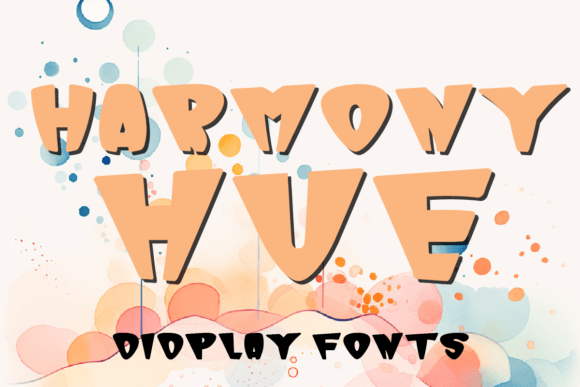
Finding the right typeface is often the most frustrating part of any design project. You spend hours scrolling through libraries, testing weights, and adjusting kerning, only to realize that nothing quite captures the mood you are aiming for. This is where Harmony Hue steps in as a practical solution rather than just another decorative option. It is a versatile collection designed to bring balance and vibrancy to your work without sacrificing readability or style. With 26 captivating capital letters and 10 expressive numbers, this font offers endless possibilities for expressing your artistic vision across various mediums.
Unlike many novelty fonts that look great in a preview but fail in actual application, Harmony Hue was built with real-world usage in mind. Whether you are a small business owner creating social media graphics, a teacher designing classroom materials, or a freelancer working on a branding package, this typeface adapts to your needs. It bridges the gap between playful creativity and professional polish, ensuring your designs stand out with unique charm while remaining clear and effective.
Why Visual Balance Matters in Modern Design
In today’s fast-paced digital landscape, attention spans are short. Your audience decides within seconds whether to engage with your content or scroll past it. Typography plays a critical role in this decision-making process. A font that is too rigid can feel cold and uninviting, while one that is too chaotic can appear unprofessional. Harmony Hue addresses this by offering a middle ground. Its characters are structured enough to convey authority yet fluid enough to suggest approachability.
This balance is particularly important for entrepreneurs and marketers who need to build trust quickly. When you use a typeface that feels intentional and harmonious, it subconsciously signals to your audience that you pay attention to detail. It is not just about making things look pretty; it is about communicating reliability and creativity simultaneously. By integrating Harmony Hue into your visual identity, you create a cohesive look that resonates with viewers on an emotional level.
Practical Applications Across Different Fields
The true value of any design resource lies in its versatility. Harmony Hue is not limited to a single niche. Here is how different users can leverage this font in their daily workflows:
- Branding and Logo Design: For startups and small businesses, a logo needs to be memorable and scalable. The capital letters in Harmony Hue have distinct shapes that remain recognizable even at smaller sizes. This makes them ideal for logos, app icons, and business cards where space is limited but impact is crucial.
- Social Media Content: Influencers and content creators constantly need fresh visuals for Instagram stories, Pinterest pins, and TikTok covers. The expressive nature of this font allows you to create eye-catching headlines that stop the scroll. You can pair it with bold colors or minimalist backgrounds to achieve different aesthetic effects.
- Educational Materials: Teachers and educational publishers often struggle to find fonts that are engaging for students but still easy to read. Harmony Hue’s clear letterforms make it suitable for worksheets, presentation slides, and classroom posters. It adds a touch of fun to learning materials without distracting from the core content.
- Digital Art and Illustration: Digital artists can use the 10 expressive numbers and capital letters as design elements within their illustrations. Whether you are creating poster art, book covers, or merchandise designs, these characters can serve as focal points that enhance the overall composition.
Enhancing User Experience Through Typography
When we talk about user experience (UX), we often think about navigation and load times, but typography is equally vital. In web design and app interfaces, text must be legible across various devices and screen sizes. Harmony Hue’s design ensures that each character maintains its integrity whether viewed on a large desktop monitor or a small smartphone screen.
For bloggers and website owners, using a distinctive font for headings can significantly improve scanability. Readers often skim content before deciding to read in depth. Clear, stylish headings act as signposts, guiding them through your article. By using Harmony Hue for your H2 and H3 tags, you create a visual hierarchy that makes your content more accessible and enjoyable to consume.
Considerations Before You Start Using Harmony Hue
While Harmony Hue is designed to be user-friendly, there are a few practical considerations to keep in mind to get the best results. First, consider the context of your project. Although this font is versatile, it shines brightest in display settings such as titles, headers, and short phrases. For long paragraphs of body text, you might want to pair it with a simpler sans-serif font to maintain readability and reduce visual fatigue for your readers.
Second, think about color contrast. The "Hue" in Harmony Hue suggests vibrancy, so do not be afraid to experiment with color. However, ensure that there is sufficient contrast between the text and the background. A vibrant yellow font on a white background may look trendy, but it will be difficult for many users to read. Always test your designs in different lighting conditions and on different devices to ensure accessibility.
Third, consider licensing and usage rights. If you are using Harmony Hue for commercial projects, such as client work or products for sale, make sure you understand the license terms. Most professional font collections offer specific licenses for personal and commercial use. Clarifying this upfront prevents legal issues down the line and supports the creators who develop these tools.
Tips for Maximizing Impact
To truly make the most of Harmony Hue, try experimenting with spacing and layout. Because the letters are captivating on their own, giving them room to breathe can enhance their elegance. Increase the letter-spacing (kerning) for a sophisticated, high-end look, or tighten it slightly for a bold, energetic vibe. Play around with alignment as well; centered text often works well for invitations and quotes, while left-aligned text is better for informational graphics.
Another effective strategy is mixing styles. Use Harmony Hue for your main headline to grab attention, then switch to a clean, neutral font for the supporting details. This contrast creates dynamic tension that keeps the viewer engaged. For example, if you are designing a flyer for a local event, use Harmony Hue for the event name and date, and a simple sans-serif for the location and description. This approach ensures that the most important information stands out while the details remain easy to digest.
Final Thoughts on Choosing the Right Tool
In the end, the best design tool is one that helps you communicate your message clearly and effectively. Harmony Hue is more than just a set of characters; it is a resource that empowers you to express your artistic vision with confidence. Whether you are refining your brand identity, creating engaging educational content, or designing digital art, this font provides the flexibility and charm needed to make your work resonate.
By understanding where and how to apply Harmony Hue, you can elevate your projects from ordinary to exceptional. It invites you to experiment, to play with color and form, and to find the perfect harmony between function and aesthetics. As you integrate this font into your workflow, you will likely find that it becomes a go-to resource for whenever you need to add a touch of vibrancy and professionalism to your creative endeavors.