Integrating Real University into Your Creative and Branding Workflows
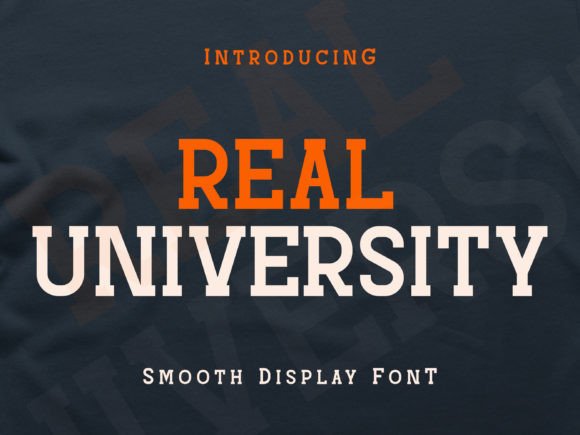
In the fast-paced world of digital design and brand development, typography is often the first element that communicates tone, authority, and personality. While many designers spend hours searching for the perfect typeface that balances professionalism with approachability, Real University emerges as a distinctive solution. This fun and cute modern display font, inspired by classic college typography, offers a unique aesthetic that bridges the gap between academic tradition and contemporary casualness. For professionals, entrepreneurs, and creators aged 20 to 50, understanding how to integrate this specific typeface into broader project workflows can significantly enhance brand consistency and visual appeal.
Understanding the Role of Display Typography in Brand Identity
Before diving into technical implementation, it is crucial to understand where Real University fits within the hierarchy of your design assets. Unlike body text fonts designed for long-form readability, display fonts are engineered for impact. They are meant to be seen, not just read. The college-inspired aesthetic of this font carries inherent cultural associations: nostalgia, community, achievement, and a touch of playful rigor. When you choose this typeface, you are not just selecting letters; you are selecting a mood.
In a typical branding project, the selection of a primary display font happens during the initial conceptual phase. It sets the direction for color palettes, imagery styles, and secondary typography. Real University works best when positioned as a headline or accent font. Its rounded edges and sturdy structure make it highly versatile, allowing it to stand out on crowded social media feeds or subtle enough to add character to premium packaging. By defining its role early in your planning process, you avoid the common pitfall of overusing a decorative font, which can lead to visual fatigue and reduced legibility.
Pre-Production: Preparation and Compatibility Checks
Successful integration of any new asset begins with preparation. Before applying Real University to a live client project or personal venture, assess its compatibility with your existing toolkit. Most modern design software, including Adobe Illustrator, Photoshop, InDesign, and web-based platforms like Canva or Figma, support standard font formats. However, workflow efficiency depends on proper installation and organization.
Start by creating a dedicated folder in your asset management system for typography. Include the font files, a license agreement copy, and a quick-reference sheet showing the glyph set. This organizational step saves time during high-pressure deadlines. Additionally, test the font across different mediums. Print a sample at various sizes to check for ink spread, and view it on multiple screens to ensure the "cute" aspects do not pixelate or lose definition. This quality control measure ensures that the font performs consistently whether it is used for a large-format poster or a small mobile app icon.
Application Across Diverse Media and Use Cases
The versatility of Real University allows it to function effectively across a wide spectrum of deliverables. Here is how you can strategically deploy it in different stages of your creative process:
- Book Covers and Publishing: For non-fiction titles related to education, self-improvement, or memoirs, this font adds an inviting layer of accessibility. It signals to the reader that the content inside is engaging rather than overly dense. Pair it with a clean serif font for the author’s name to create a balanced hierarchy.
- Packaging and Merchandise: In product design, first impressions are critical. Using this font on labels, boxes, or t-shirts can evoke a sense of collegiate pride or artisanal charm. It works particularly well for brands targeting young adults or those leveraging nostalgia marketing. Ensure high-resolution vector files are used to maintain crisp edges on physical materials.
- Digital Marketing and Social Media: Posters and quote graphics require immediate visual hook. The bold nature of Real University makes it ideal for short, punchy headlines. When creating templates for Instagram or LinkedIn, establish strict guidelines on kerning and line height to maintain brand consistency across all posts.
- Invitations and Event Branding: Whether for a corporate retreat, a university reunion, or a casual workshop, the font conveys a welcoming yet structured atmosphere. It pairs beautifully with hand-drawn illustrations or minimalist geometric shapes, allowing for flexible design directions.
Workflow Integration: Pairing and Contrast
A common challenge in using display fonts is pairing them with complementary typefaces. Real University has a distinct personality, so it requires a neutral partner to prevent visual clutter. During the execution phase of your design, consider pairing it with a simple sans-serif font for body text. This contrast ensures that while the headline grabs attention, the supporting information remains easy to digest.
For educators and bloggers, this pairing strategy is essential for maintaining readability in long-form content. Use Real University strictly for headers, subheaders, and pull quotes. Avoid using it for paragraphs, as its decorative features can slow down reading speed. By establishing this rule in your style guide, you ensure that all team members, from freelancers to in-house marketers, apply the font correctly, preserving the integrity of the brand voice.
Enhancing Efficiency with Templates and Assets
To maximize the return on your investment in this font, build reusable templates. If you frequently create merchandise or social media graphics, design master files where Real University is already styled with preferred colors, spacing, and effects. This pre-planning reduces decision fatigue and speeds up production time. For small business owners and entrepreneurs, this efficiency translates directly into cost savings and faster time-to-market.
Furthermore, explore the font’s potential with text effects. Because it is a modern display font, it responds well to layering, shadows, and textures. Experiment with these effects during the brainstorming phase to discover unique visual treatments that can become signature elements of your brand. However, always revert to the clean version for formal documents or high-contrast backgrounds to ensure accessibility and clarity.
Long-Term Consistency and Quality Control
Adopting a new typeface is not a one-time task but an ongoing commitment to brand consistency. As your projects evolve, regularly audit your outputs to ensure Real University is being used appropriately. Check for unauthorized modifications, such as excessive stretching or distorting, which can degrade the font’s aesthetic quality. Educate your team or collaborators on the proper usage guidelines, emphasizing the font’s role in conveying a fun yet professional image.
For publishers and content creators, consider how the font ages. Trends in typography shift, but classic collegiate styles have enduring appeal. By grounding your brand in this timeless yet modern aesthetic, you future-proof your visual identity. Regularly update your asset library with new variations or complementary icons that match the font’s vibe, keeping your brand fresh without losing its core identity.
Final Thoughts on Strategic Implementation
Incorporating Real University into your workflow is about more than just aesthetics; it is about strategic communication. By understanding its strengths, preparing your technical environment, and establishing clear usage rules, you can leverage this font to enhance engagement across book covers, posters, packaging, and digital platforms. Whether you are a freelancer managing multiple clients or a marketer building a cohesive campaign, the disciplined application of this typeface will elevate your work. Focus on clarity, consistency, and creativity, and let the font do what it does best: bring a touch of collegiate charm and modern flair to your professional endeavors.