Jamboo Font: Evaluating a Cheerful Display Typeface for Kid-Friendly Designs
When selecting typography for projects aimed at younger audiences, designers often seek typefaces that convey warmth, approachability, and energy. Jamboo is a fat, bubbly display font that has gained attention for its distinctively cheerful vibe and friendly personality. As a specialized display typeface, it serves a specific niche within the broader landscape of graphic design resources. This article evaluates the characteristics of Jamboo, explores its practical applications, and discusses the considerations designers should weigh when deciding if it aligns with their project goals.
Understanding the Visual Characteristics of Jamboo
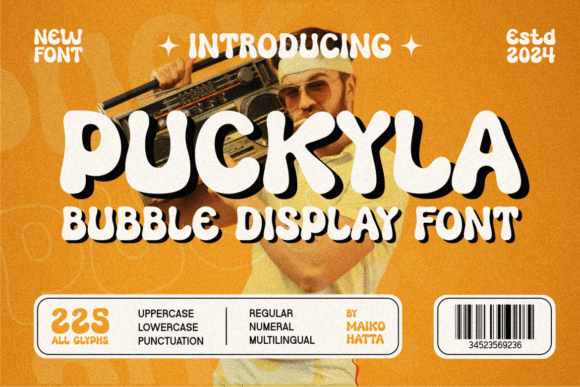
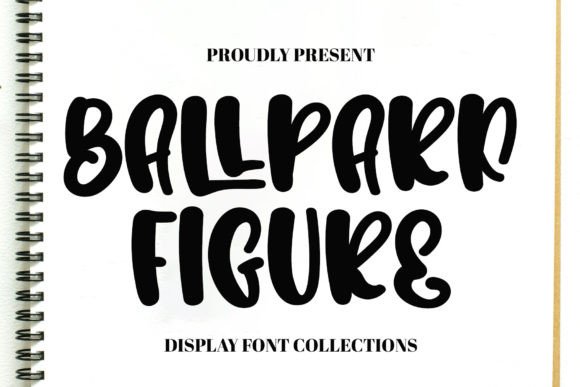
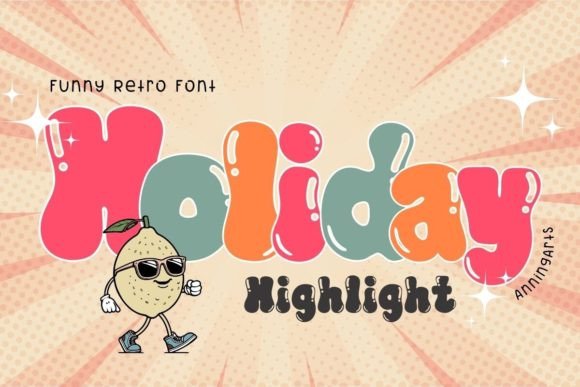
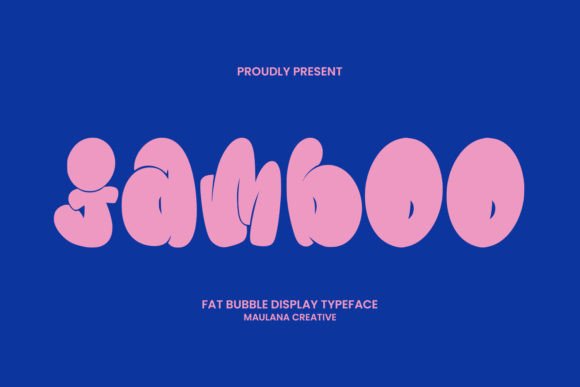
Jamboo is defined by its rounded terminals, thick strokes, and inflated letterforms. Unlike geometric sans-serifs or traditional serifs, this typeface leans heavily into a hand-drawn aesthetic that mimics the softness of balloons or bubble letters. The "fat" nature of the font means it occupies significant visual space, making it ideal for headlines where impact is necessary, but readability at small sizes is not the primary concern.
The font’s structure is inherently informal. The curves are exaggerated, and the spacing is often tight to maintain the cohesive, bubbly appearance. This design choice creates a sense of unity and playfulness. For designers, understanding these visual traits is crucial because they dictate how the font interacts with other design elements. Jamboo does not recede into the background; it demands attention and sets a lighthearted tone immediately upon viewing.
Primary Use Cases and Ideal Applications
The primary strength of Jamboo lies in its ability to communicate joy and safety. Consequently, it is frequently employed in industries and contexts where these emotions are paramount. Below are several scenarios where Jamboo proves to be a strong fit:
- Educational Materials: Worksheets, classroom posters, and learning apps for early childhood education benefit from fonts that feel non-threatening and engaging. Jamboo’s friendly appearance can help reduce anxiety associated with learning new concepts.
- Children’s Branding: Logos and packaging for toys, snacks, and clothing lines targeting kids often utilize bubbly typography to appeal to both children and parents. The font suggests fun and accessibility.
- Event Invitations: Birthday parties, baby showers, and family reunions often require typography that feels celebratory. Jamboo provides an instant festive atmosphere without requiring extensive graphic embellishment.
- Digital Interfaces for Kids: Buttons and headers in games or educational software can utilize Jamboo to create intuitive, touch-friendly visual cues that stand out against simpler body text.
In these contexts, the font acts as more than just a vehicle for text; it becomes a visual anchor that reinforces the brand’s message of fun and friendliness.
Benefits of Choosing Jamboo
One of the most significant advantages of using Jamboo is its immediate emotional resonance. Designers do not need to rely on complex illustrations or color psychology alone to convey a playful mood; the typeface does much of the heavy lifting. This efficiency can streamline the design process, allowing creators to focus on layout and imagery.
Additionally, the high x-height and bold weight of Jamboo contribute to excellent legibility at large sizes. Even from a distance, the letters remain distinct and recognizable. This makes it a practical choice for signage, banners, and thumbnails where quick recognition is essential. The font’s unique character also helps designs stand out in crowded marketplaces, offering a distinctive look that differs from standard corporate sans-serifs.
Tradeoffs and Limitations
While Jamboo excels in specific niches, it is not a universal solution. Its specialized nature introduces several tradeoffs that designers must consider. First and foremost is readability at smaller sizes. The thick strokes and rounded details that make Jamboo charming at headline sizes can become muddy and illegible when scaled down for body text or captions. Using Jamboo for paragraphs or fine print is generally discouraged, as it can cause eye strain and reduce comprehension.
Another consideration is versatility. Jamboo’s strong personality can clash with serious or professional content. It is ill-suited for legal documents, financial reports, or luxury branding where elegance and restraint are valued. Overusing such a distinctive font can also lead to visual fatigue. If every element on a page uses Jamboo, the design may lack hierarchy and appear chaotic.
Furthermore, pairing Jamboo with other typefaces requires careful selection. Because it is so dominant, it needs a neutral companion. Pairing it with another decorative or highly stylized font can result in a disjointed and amateurish appearance. Designers must balance Jamboo’s exuberance with simplicity elsewhere in the layout.
Comparative Considerations: When to Look Elsewhere
Before committing to Jamboo, it is helpful to evaluate whether alternative typefaces might better serve the project’s needs. If the goal is to convey playfulness but with a more modern or tech-oriented feel, a rounded geometric sans-serif might be a more appropriate choice. These fonts offer similar friendliness but with greater structural precision and scalability.
If the project requires a hand-drawn aesthetic but with more sophistication or artistic flair, script fonts or brush-style typefaces could provide a more nuanced expression. Jamboo is distinctly cartoonish; if the brand identity aims for whimsy without appearing childish, alternatives with thinner weights or more irregular textures might be worth exploring.
Additionally, accessibility standards should guide the decision. For projects targeting users with visual impairments or dyslexia, high-contrast, simple sans-serifs are often recommended over decorative display fonts. While Jamboo is clear at large sizes, its unconventional shapes may pose challenges for some readers compared to standard typefaces designed specifically for accessibility.
Practical Decision-Making Insights
To determine if Jamboo is the right choice for your design, consider the following questions:
- Who is the primary audience? If the target demographic is children under ten or families seeking entertainment, Jamboo is likely a strong candidate. For adult audiences or professional settings, it may undermine credibility.
- What is the hierarchy of information? Ensure that Jamboo is reserved for headings, titles, or short calls to action. Plan to pair it with a clean, readable sans-serif for supporting text to maintain balance.
- What is the medium? Jamboo performs well in digital displays, print banners, and packaging. It is less effective in long-form printed materials or dense informational graphics.
- Does the brand voice align? Evaluate whether the brand’s core values include playfulness, informality, and energy. If the brand is serious, authoritative, or minimalist, Jamboo will create cognitive dissonance.
By critically assessing these factors, designers can make informed decisions that leverage Jamboo’s strengths while mitigating its limitations. The font is a powerful tool for creating engaging, kid-friendly experiences, but its effectiveness depends entirely on context and execution.
Conclusion
Jamboo offers a distinct visual language characterized by its fat, bubbly forms and cheerful demeanor. It is an excellent resource for designers working on projects that prioritize fun, approachability, and youth appeal. However, its specialized nature requires thoughtful application. By understanding its benefits, recognizing its limitations, and pairing it appropriately, designers can harness Jamboo’s potential to create impactful and memorable designs. Ultimately, the decision to use Jamboo should stem from a clear alignment between the font’s personality and the project’s communicative goals.