Pixel Hilarity: The Playful Pixel Art Font
There is a distinct nostalgia embedded in the jagged edges of 8-bit graphics. It reminds us of an era when creativity was bound by technical limitations, forcing designers to convey personality through mere blocks of color. Pixel Hilarity captures that spirit but strips away the rigid constraints of early computing. This isn’t just a retro novelty; it is a carefully crafted display font that balances the charm of pixel art with the legibility required for modern applications. If you have ever struggled to find a typeface that feels both authentic to the gaming aesthetic and versatile enough for contemporary brand identity work, this typeface offers a compelling solution.
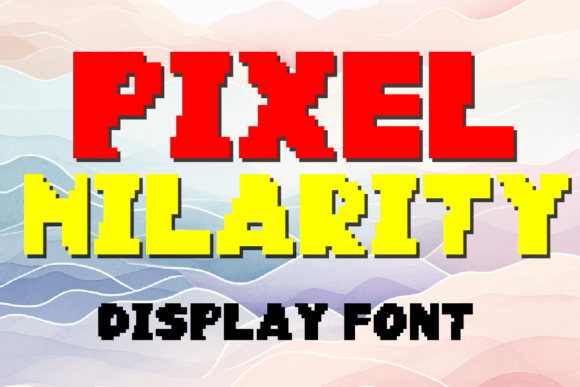
The visual character of Pixel Hilarity is defined by its deliberate imperfections. Unlike sterile, grid-locked pixel fonts that can feel cold or mechanical, this font injects a dose of whimsy into every glyph. The letters possess a bouncy rhythm, with subtle variations in stroke width and alignment that mimic the hand-placed pixels of classic sprite art. This gives the font a human touch, making it feel approachable and warm rather than digital and distant. For designers working in modern typography, this balance is crucial. It allows you to tap into retro trends without sacrificing the polish expected in today’s high-resolution displays.
Where Pixel Personality Meets Professional Utility
One common misconception about pixel-style typefaces is that they are limited to gaming interfaces or fan art. While Pixel Hilarity certainly shines in web design for indie game studios or esports teams, its utility extends far beyond the screen. The key lies in understanding its role as a creative font meant for emphasis rather than long-form body text. When used strategically, it becomes a powerful tool for capturing attention in crowded visual landscapes.
Consider packaging design for artisanal snacks or craft beverages. A brand selling retro-inspired candy or nostalgic soda can use Pixel Hilarity on labels to instantly communicate flavor profiles associated with childhood joy. The font’s playful nature aligns perfectly with products that aim to evoke comfort and fun. Similarly, in editorial design, such as zines or independent magazines focusing on pop culture, this typeface can serve as an engaging header that breaks up dense text and adds visual interest. It acts as a signpost, guiding the reader’s eye while reinforcing the publication’s tone.
In the realm of social media graphics, where scroll-stopping power is currency, Pixel Hilarity offers a unique advantage. Its bold, blocky structure remains readable even at smaller sizes on mobile devices, provided it is used for short phrases. Whether you are creating Instagram stories for a tech startup with a humorous voice or designing YouTube thumbnails for a gaming channel, the font’s inherent charm helps humanize the brand. It signals to the audience that the content behind the image is not taking itself too seriously, fostering a sense of community and relatability.
Strategic Pairing and Visual Hierarchy
To maximize the impact of Pixel Hilarity, you must treat it as a specialist within your typographic toolkit. Because it is a highly stylized display font, it demands space and contrast. Pairing it with a neutral, clean sans serif font is often the most effective strategy. The simplicity of a geometric sans serif allows the pixelated details of Pixel Hilarity to stand out without competing for attention. This combination creates a clear visual hierarchy: the pixel font draws the eye for the headline, while the sans serif handles the informational heavy lifting in subheads or body copy.
Avoid pairing it with other decorative styles, such as a script font or a complex serif font. The clash between the organic curves of handwriting or the delicate serifs of traditional print and the rigid, blocky nature of pixel art can create visual dissonance. Instead, let Pixel Hilarity be the star. Use it sparingly for logos, call-to-action buttons, or key quotes. In logo design, for instance, using the font for the brand name while keeping the tagline in a simple, lightweight typeface ensures that the logo remains versatile across different mediums, from business cards to billboards.
Readability is another critical consideration. While Pixel Hilarity is designed to be more legible than many of its predecessors, it still retains the aesthetic quirks of low-resolution art. This means it is not suitable for paragraphs of text. Use it for headlines, titles, and short labels. When testing font pairings, always view your designs at actual size. What looks balanced on a large monitor may become illegible on a smartphone screen. Adjust tracking and leading to ensure the pixels do not blur together, maintaining the crispness that defines the style.
Evaluating Fit for Your Creative Projects
Before integrating Pixel Hilarity into your workflow, assess whether its personality aligns with your project’s goals. This font thrives in contexts that value humor, nostalgia, and approachability. It is an excellent choice for brands targeting millennials or Gen Z audiences who appreciate internet culture and retro aesthetics. However, it may not be the right fit for industries requiring strict formality, such as legal services or high-end luxury goods, unless used in a very ironic or subversive manner.
When reviewing the included styles, pay attention to the weight and spacing options. A robust premium font package often includes multiple weights or alternates that allow for greater flexibility. Check if Pixel Hilarity offers bold variants for high-impact headers or lighter versions for subtler accents. Understanding these nuances will help you maintain consistency across your design assets. Consistency builds recognition, and using the same typeface family across your website, packaging, and marketing materials strengthens your brand identity.
Licensing is also a vital part of the evaluation process. Ensure that the license covers your intended use, whether it is personal, commercial, or for client work. Many independent type foundries offer straightforward commercial font licenses that permit use in digital and print media, but it is always wise to read the terms carefully. Investing in a properly licensed font not only supports the creator but also protects your business from legal complications down the line.
Ultimately, Pixel Hilarity is more than just a collection of pixels; it is a tool for storytelling. It invites viewers to smile, remember, and engage. By thoughtfully integrating this font into your projects, you can add a layer of personality that resonates with audiences on an emotional level. Whether you are refining a logo design or sprucing up a newsletter, let the playful spirit of Pixel Hilarity guide your creative decisions, turning ordinary designs into memorable experiences.