Rostum: A Bold Decorative Display Font for High-Impact Design
In the crowded landscape of digital typography, finding a typeface that balances distinct personality with functional clarity is a persistent challenge for designers. Rostum emerges as a compelling solution in the category of decorative display fonts. It is not designed for body text or long-form reading; rather, it is engineered to command attention. With its robust weight and intricate decorative elements, Rostum serves as a powerful tool for visual communication where immediate impact is the primary objective. This analysis explores the characteristics, practical applications, and strategic value of integrating Rostum into professional design workflows.
Defining the Aesthetic Profile of Rostum
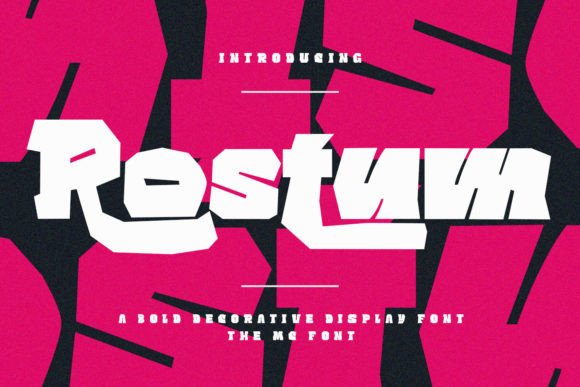
Rostum is defined by its unapologetic boldness. Unlike minimalist sans-serifs that rely on negative space and subtle geometry, this typeface leverages heavy strokes and ornamental details to create a strong visual presence. The font’s structure suggests stability and confidence, making it an ideal candidate for brands or projects that wish to project authority, strength, or vintage-inspired charm.
The "decorative" aspect of Rostum is not merely superficial. The embellishments are integrated into the letterforms themselves, ensuring that the ornamentation enhances readability at large sizes rather than obscuring it. This distinction is crucial. Many decorative fonts sacrifice legibility for style, but Rostum maintains a clear skeletal structure beneath its stylistic flourishes. This balance allows it to function effectively across various media, from printed posters to digital banners, without losing its core identity.
Strategic Applications in Professional Design
Understanding where to deploy Rostum is as important as understanding its aesthetic qualities. Because it is a display font, its utility is concentrated in specific areas of design hierarchy. Here are the most effective use cases for professionals and creators:
- Headlines and Titles: In editorial design, web headers, or magazine layouts, Rostum can anchor the page. Its weight draws the eye immediately, guiding the viewer to the most critical information.
- Poster and Event Marketing: For concerts, festivals, or theatrical productions, the font’s dramatic flair helps convey energy and excitement. It stands out well against complex backgrounds when used with proper contrast.
- Brand Identity and Logotypes: Small businesses and startups looking for a memorable mark may find Rostum suitable for logotypes, particularly in industries such as hospitality, artisanal goods, or entertainment.
- Packaging Design: On product packaging, shelf presence is vital. Rostum’s bold nature ensures that product names or key selling points are visible from a distance.
It is important to note that Rostum should rarely, if ever, be used for paragraphs of text. Its decorative nature can cause visual fatigue when read in small sizes or long sequences. Pairing it with a clean, neutral sans-serif or a classic serif for body copy creates a harmonious contrast that maximizes the effectiveness of both typefaces.
Evaluating Usability and Technical Performance
From a technical standpoint, the value of a font lies in its versatility and consistency. Rostum demonstrates reliable performance across standard design platforms. Whether working in Adobe Illustrator, Photoshop, or web-based design tools, the font renders cleanly. The vector paths are well-constructed, minimizing issues with jagged edges or inconsistent spacing that can plague lower-quality decorative fonts.
Kerning and spacing are critical considerations for any display typeface. Rostum appears to have been crafted with attention to these details, though manual adjustment may still be necessary for specific custom ligatures or unique word combinations. This is standard practice for high-end display fonts and allows designers to fine-tune the visual rhythm of their headlines. The font’s flexibility is evident in its ability to maintain integrity when scaled. It does not lose its decorative nuances when enlarged, nor does it become illegible when reduced to moderate sub-header sizes.
Color and Contrast Considerations
Due to its bold weight, Rostum interacts strongly with color. It performs exceptionally well in high-contrast scenarios, such as white text on a dark background or black text on a vibrant color field. However, designers should exercise caution when placing it over busy photographic backgrounds. The intricate details of the font can get lost if the background lacks sufficient contrast. Using a solid overlay or a drop shadow can help mitigate this issue, ensuring the typography remains the focal point.
Who Benefits Most from Using Rostum?
This typeface is particularly valuable for a specific segment of creative professionals and business owners:
- Marketing Agencies: Teams creating campaign assets need fonts that stop the scroll. Rostum’s eye-catching design supports high-engagement social media graphics and ad creatives.
- Event Organizers: Those promoting live events require typography that conveys mood instantly. Rostum’s strong character can communicate themes ranging from rugged durability to elegant sophistication, depending on the accompanying design elements.
- Freelance Designers: For freelancers building a diverse portfolio, having access to distinctive display fonts like Rostum adds variety and allows for more customized client solutions.
- Small Business Owners: Entrepreneurs managing their own branding can use Rostum to create professional-looking signage, menus, or promotional materials without needing advanced design skills, provided they adhere to basic layout principles.
Limitations and Best Practices
While Rostum offers significant aesthetic value, it is not a universal solution. Its specialized nature means it has limitations. Designers must resist the temptation to overuse it. Applying Rostum to every element of a design will dilute its impact and create visual chaos. It is most effective when used sparingly, as an accent rather than a foundation.
Additionally, accessibility should always be a priority. Ensure that the contrast ratio between the text and background meets WCAG guidelines, especially for digital applications. While the font is bold, the decorative elements can sometimes reduce clarity for users with visual impairments if the size is too small. Testing designs on multiple devices and screen sizes is essential to guarantee readability.
Long-Term Value in a Design Toolkit
Investing in quality typography yields long-term returns. A font like Rostum does not go out of style quickly because it is rooted in classic structural principles, even while offering modern decorative touches. It avoids trendy gimmicks that may feel dated within a year. Instead, it provides a timeless strength that can adapt to evolving brand narratives.
For professionals, having a reliable display font in their arsenal reduces the time spent searching for the right typeface for headline-driven projects. Rostum fills this role efficiently, offering a blend of character and professionalism. It allows creators to focus on other aspects of design, such as composition and color theory, knowing that the typographic foundation is solid.
In conclusion, Rostum is a robust and versatile addition to any designer’s library. It excels in situations requiring emphasis, style, and immediate visual engagement. By understanding its strengths and respecting its limitations, professionals can leverage this typeface to create compelling, memorable, and effective designs. Whether for a bold poster, a striking logo, or an impactful web header, Rostum delivers the presence needed to make a statement.