Al Ghazali: Evaluating an Arabic-Style Display Font for Design Projects
In the realm of graphic design, typography serves as more than just a vessel for text; it is a primary communicator of mood, culture, and context. For designers seeking to evoke the rich heritage of the Middle East or add an exotic flair to their compositions, selecting the right typeface is critical. Al Ghazali emerges as a notable option in this niche. It is a beautiful display font characterized by its distinct Arabic style, designed to add an authentic Middle Eastern touch to any text. This article provides a balanced evaluation of Al Ghazali, exploring its aesthetic qualities, practical applications, and the specific design scenarios where it offers the most value.
Understanding the Aesthetic of Al Ghazali
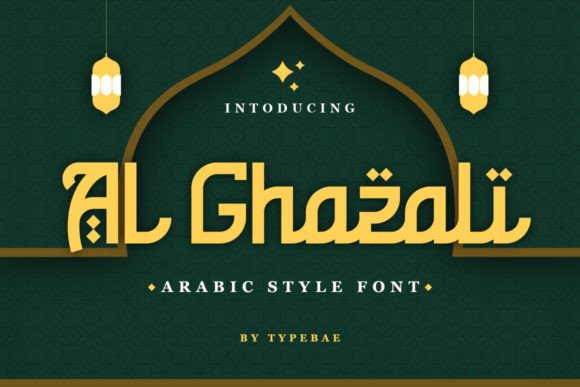
Al Ghazali is not merely a standard serif or sans-serif typeface; it is a stylized display font that mimics the calligraphic traditions of Arabic script while remaining legible in the Latin alphabet. This fusion creates a unique visual language that bridges cultural aesthetics with modern design needs. The font features flowing curves, intricate terminals, and a rhythmic baseline that echoes the artistic principles of Islamic calligraphy.
When evaluating Al Ghazali, it is important to recognize its primary function as a display typeface. Unlike body text fonts designed for long-form reading, Al Ghazali is optimized for headlines, titles, logos, and short bursts of text. Its intricate details shine at larger sizes, allowing viewers to appreciate the nuanced strokes that contribute to its "authentic Middle Eastern touch." For projects requiring a unique and cultural aesthetic, this font provides an immediate visual cue that aligns with themes of history, tradition, and exoticism.
Why Designers Choose Al Ghazali
The decision to incorporate Al Ghazali into a design project often stems from a need for cultural specificity or atmospheric depth. Here are several reasons why this font appeals to creative professionals:
- Cultural Authenticity: For brands or projects rooted in Middle Eastern heritage, using a font that visually references Arabic calligraphy can reinforce brand identity without relying on clichés.
- Visual Distinction: In a market saturated with generic sans-serifs, Al Ghazali offers a standout appearance that captures attention quickly.
- Thematic Consistency: It pairs well with geometric patterns, arabesques, and warm color palettes, helping to create a cohesive design system.
- Emotional Resonance: The fluidity of the letterforms can evoke feelings of elegance, mystery, and hospitality, which are valuable traits in hospitality and luxury branding.
Practical Applications and Strong Fits
To determine if Al Ghazali aligns with your goals, consider the specific medium and message of your project. This font excels in situations where brevity and impact are prioritized over extensive readability.
Branding and Logo Design
For restaurants, cafes, or boutique hotels aiming to highlight Middle Eastern cuisine or ambiance, Al Ghazali can serve as a powerful logo element. Its distinctive character helps establish a memorable brand presence. Similarly, event organizers hosting cultural festivals or art exhibitions may find it ideal for promotional materials.
Packaging and Product Labels
Products such as spices, teas, oils, or cosmetics that source ingredients from the Middle East can benefit from the authentic aesthetic of Al Ghazali. Used on packaging, it signals quality and origin, enhancing the consumer's perception of the product's heritage.
Editorial Headlines and Posters
In magazine layouts or movie posters, Al Ghazali works effectively for chapter titles or main headlines. Its decorative nature draws the eye, setting the tone for the content that follows. However, it should be used sparingly to avoid visual fatigue.
Tradeoffs and Considerations
While Al Ghazali offers significant aesthetic benefits, it is not a universal solution. Understanding its limitations is crucial for making an informed decision.
Readability Constraints: As a display font with complex ligatures and stylistic flourishes, Al Ghazali is not suitable for body text. Using it for paragraphs or small print will likely result in poor legibility, frustrating readers rather than engaging them. It is best reserved for headings no smaller than 18–24 points, depending on the resolution.
Cultural Sensitivity: Designers must approach the use of culturally inspired typography with respect. While Al Ghazali adds an "Arabic style," it is a stylized interpretation rather than actual Arabic script. Ensure that its use does not misrepresent the culture or appear as a superficial stereotype. Context matters; the font should complement genuine cultural elements rather than replace them.
Pairing Challenges: Finding a complementary body font can be challenging. Al Ghazali’s ornate nature requires a simple, clean counterpart. Pairing it with another decorative font will create visual clutter. Instead, opt for neutral sans-serifs or classic serifs that provide contrast without competing for attention.
When to Consider Alternatives
There are scenarios where Al Ghazali may not be the optimal choice. If your project requires high accessibility and strict readability standards, such as in educational materials or corporate reports, a more conventional typeface is advisable. Additionally, if the design aims for a minimalist or ultra-modern aesthetic that avoids cultural references, Al Ghazali’s distinctive style may feel out of place.
Furthermore, if you require actual Arabic language support, ensure that the font file includes comprehensive glyph coverage for Arabic script. Some display fonts only offer Latin characters with an Arabic "look." Verify the technical specifications before purchasing or downloading to ensure it meets your linguistic needs.
Making the Final Decision
Selecting Al Ghazali ultimately depends on your design objectives. Ask yourself the following questions:
- Does my project benefit from a Middle Eastern or exotic visual theme?
- Will the text be used primarily for headlines, logos, or short labels?
- Do I have a complementary body font that balances Al Ghazali’s complexity?
- Am I using the font respectfully and appropriately within the cultural context?
If the answer to these questions is yes, Al Ghazali can be a valuable asset in your typography toolkit. It offers a sophisticated way to integrate cultural aesthetics into modern design, providing a unique voice that stands out in a crowded visual landscape. By understanding its strengths and limitations, you can leverage Al Ghazali to create compelling, authentic, and visually striking designs that resonate with your audience.
In conclusion, Al Ghazali is more than just a font; it is a design tool that carries cultural weight and artistic merit. When used thoughtfully, it enhances the narrative of your project, offering viewers an immediate connection to the themes of tradition and elegance. For designers willing to navigate its specific requirements, it remains a strong candidate for projects demanding a distinctive and culturally rich aesthetic.