Bashir: Evaluating an Elegant Islamic Display Font for Design Projects
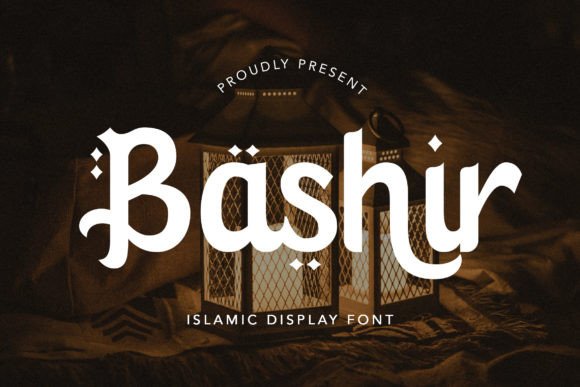
In the realm of digital typography, selecting the right typeface is a critical decision that influences both aesthetics and readability. For designers working on projects rooted in Middle Eastern culture, religious themes, or traditional artistry, Bashir presents a compelling option. Bashir is a beautiful Islamic display font that adds a touch of elegance to your designs. Its intricate details and flowing lines capture the essence of Islamic artistry, making it perfect for religious texts, posters, and decorative elements. With Bashir, you can infuse your projects with the rich heritage and cultural significance of Islamic calligraphy, creating a visual experience that resonates with tradition and spirituality.
However, choosing a display font requires more than appreciating its beauty. It demands an understanding of its technical capabilities, legibility constraints, and appropriate use cases. This article explores the characteristics of Bashir, helping you determine whether it aligns with your specific design goals.
Understanding the Aesthetic Appeal of Bashir
Bashir belongs to the category of display fonts, which are designed primarily for headlines, titles, and short bursts of text rather than long-form body copy. The font draws heavily from traditional Islamic calligraphy, a discipline that values rhythm, balance, and geometric precision. When you incorporate Bashir into a layout, you are not merely adding text; you are introducing a visual element that carries historical weight and cultural resonance.
The flowing lines of Bashir mimic the brushstrokes of traditional reed pens, offering an organic feel that contrasts sharply with rigid, geometric sans-serif typefaces. This makes it particularly effective for designs that aim to evoke a sense of peace, reverence, or artistic sophistication. Whether used in wedding invitations, mosque signage, or cultural event posters, the font serves as a bridge between modern digital design and ancient artistic traditions.
Key Benefits and Strengths
There are several reasons why designers might prioritize Bashir over other generic script or serif fonts. Understanding these strengths can help you leverage the font effectively.
- Cultural Authenticity: For projects targeting Muslim audiences or focusing on Islamic heritage, using a font that visually references traditional calligraphy builds immediate trust and recognition. Bashir achieves this without requiring the designer to be a master calligrapher.
- Visual Impact: As a display font, Bashir is designed to stand out. Its intricate details ensure that headlines capture attention, making it ideal for posters, book covers, and social media graphics where first impressions matter.
- Versatility in Decorative Contexts: While it may not suit dense paragraphs, Bashir excels in decorative elements. It pairs well with minimalist layouts, allowing the typography to serve as the primary visual anchor.
- Emotional Resonance: The soft curves and elegant proportions of Bashir evoke feelings of warmth and spirituality. This emotional connection can enhance the user experience in contexts such as religious education materials or community announcements.
Tradeoffs and Practical Considerations
While Bashir offers significant aesthetic advantages, it is essential to acknowledge its limitations. Display fonts often sacrifice legibility for style, and Bashir is no exception. Designers must approach its usage with caution to avoid compromising usability.
Legibility at Small Sizes: The intricate details that make Bashir beautiful can become muddy or indistinct when scaled down. It is generally not suitable for body text, footnotes, or mobile interfaces where screen real estate is limited. If readability is the primary goal, consider pairing Bashir with a clean, highly legible sans-serif font for supporting text.
Contextual Appropriateness: Because Bashir carries strong cultural and religious connotations, it may not be suitable for secular or corporate projects unrelated to these themes. Using it in a context that does not respect its cultural roots can appear disjointed or insensitive. Always evaluate whether the font’s tone matches the message of your project.
Technical Compatibility: Before committing to Bashir, verify its character set support. Ensure it includes all necessary glyphs for your target language, including Arabic numerals or specific diacritical marks if required. Not all Islamic-style fonts offer comprehensive linguistic support, which can lead to formatting issues later in the design process.
Ideal Use Cases for Bashir
To maximize the impact of Bashir, consider deploying it in scenarios where its strengths are most relevant. The following situations represent strong fits for this typeface:
- Religious and Spiritual Materials: Quranic study guides, prayer schedules, and mosque newsletters benefit from the reverent tone Bashir provides. It helps create an atmosphere of respect and tradition.
- Cultural Event Branding: Posters for Eid celebrations, Islamic art exhibitions, or cultural festivals can use Bashir to immediately communicate the theme to the audience.
- Decorative Headlines: In magazine layouts or website banners, Bashir can serve as an eye-catching title font, provided it is used sparingly and at large sizes.
- Packaging and Merchandise: For products such as dates, perfumes, or traditional clothing, Bashir can enhance the premium feel of the packaging by linking the product to its cultural origins.
When to Consider Alternatives
Despite its elegance, Bashir is not a universal solution. There are specific scenarios where alternative typefaces may better serve your needs. If your project requires high-density information delivery, such as a textbook or a legal document, a standard serif or sans-serif font with high readability scores is a safer choice. Similarly, if your design aims for a ultra-modern, tech-forward aesthetic, the traditional curves of Bashir might clash with the overall visual language.
Additionally, if you require extensive multilingual support beyond Arabic and English, you may need to explore font families that offer broader glyph coverage. Some modern variable fonts provide a balance between stylistic flair and functional versatility, which might be preferable for complex, multi-platform digital products.
Making the Final Decision
Choosing Bashir ultimately depends on your project’s objectives and audience. Ask yourself: Does the design need to convey tradition, elegance, and cultural specificity? If the answer is yes, Bashir is a strong candidate. However, always test the font in situ. Print samples at various sizes and view them on different devices to ensure the intricate details remain clear and impactful.
Remember that typography is a tool for communication. While Bashir adds a layer of artistic depth, it should never obscure the message. By balancing its decorative nature with clear, functional supporting text, you can create designs that are both visually stunning and effectively communicative. Evaluate your needs carefully, and let the unique character of Bashir enhance your work where appropriate.