Booky Font: Balancing Bold Stroke and Playful Character in Modern Design
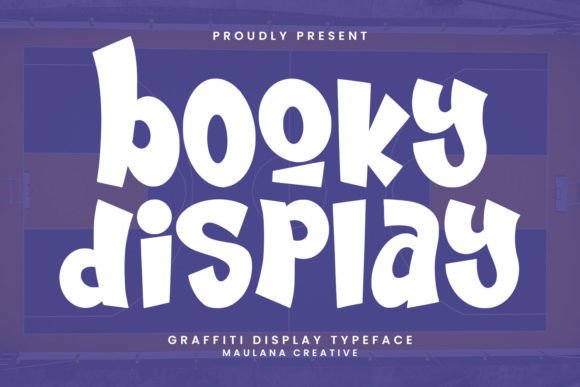
Choosing the right typeface is often the most critical decision in a visual identity project. It sets the tone before a single word is read. In the crowded landscape of display typography, finding a font that manages to be both authoritative and approachable is a rare feat. This is where Booky enters the conversation. As a modern display font, Booky distinguishes itself through a unique combination of a bold stroke and a fun character. It is not merely a tool for legibility; it is a design element that adds personality and weight to headlines, titles, and branding materials.
For designers, marketers, and business owners evaluating typography options, understanding the specific niche Booky occupies is essential. It is not a universal solution for every text block, but rather a specialized instrument for making a statement. This article explores the distinct qualities of Booky, compares its utility against other typographic styles, and helps you determine if it is the right fit for your next creative endeavor.
The Distinctive Appeal of Booky’s Design Philosophy
At its core, Booky is defined by its duality. Many display fonts lean heavily into one extreme: they are either strictly geometric and cold or excessively whimsical and hard to read. Booky bridges this gap. The bold stroke provides the necessary visual weight to command attention in large formats, such as posters and signage. Simultaneously, the fun character ensures that this weight does not feel oppressive or overly corporate. Instead, it feels inviting.
This balance makes Booky highly versatile within the realm of display typography. When used for logos, the thick strokes ensure scalability and recognition, while the playful nuances prevent the brand from appearing rigid. For headlines, the font’s inherent energy draws the eye without sacrificing clarity. This makes it an excellent choice for projects that need to communicate confidence without losing a sense of humanity or warmth.
Evaluating Use Cases: Where Booky Excels
Understanding when to deploy Booky requires looking at specific design applications. Its strengths are most evident in contexts where immediate impact is required. Below are key areas where Booky typically outperforms more neutral typefaces:
- Headlines and Titles: In editorial design or web banners, Booky’s boldness ensures that the main message stands out against busy backgrounds or competing visual elements.
- Logos and Branding: For brands targeting a younger demographic or those in lifestyle, food, and entertainment sectors, Booky adds a memorable touch that standard sans-serifs often lack.
- Posters and Signage: Physical media requires high legibility from a distance. The thick strokes of Booky maintain integrity even when viewed from afar, making it ideal for event posters, retail signage, and wayfinding systems.
- Packaging Design: On product shelves, packaging must pop. Booky’s expressive nature can highlight product names or key selling points effectively.
However, versatility has limits. While Booky is adaptable across these display categories, it is crucial to recognize that it is not designed for body text. The very features that make it striking at large sizes—its bold weight and distinctive character shapes—can cause fatigue when used in long paragraphs. Therefore, it is best paired with a clean, neutral sans-serif or serif font for supporting text.
Comparing Booky to Alternative Typographic Styles
To make an informed decision, it is helpful to compare Booky with other common typographic approaches. Designers often choose between geometric sans-serifs, handwritten scripts, and slab serifs. Here is how Booky stacks up against these alternatives:
Booky vs. Geometric Sans-Serifs
Geometric fonts like Futura or circular sans-serifs are popular for their modern, clean look. They are safe and professional but can sometimes feel sterile or generic. Booky offers a similar modernity but injects personality through its irregularities and playful terminals. If your goal is to appear innovative yet friendly, Booky may be a stronger choice than a rigid geometric font. However, if your brand requires absolute neutrality and corporate seriousness, a standard geometric sans might be more appropriate.
Booky vs. Handwritten Scripts
Script fonts are often used to convey elegance or personal touch. While they are undeniably fun, they frequently suffer from legibility issues, especially in all-caps or small sizes. Booky provides the "fun" factor without the readability trade-off. It maintains the structure of a printed letterform, ensuring that the message is instantly understood, which is critical for signage and quick-scan environments like social media graphics.
Booky vs. Slab Serifs
Slab serifs are known for their boldness and authority. They share the heavy stroke weight with Booky but often carry a more vintage or industrial connotation. Booky feels more contemporary and less anchored to a specific historical era. If you want a bold look that feels current and lively rather than rustic or mechanical, Booky is likely the better alternative.
Practical Considerations and Tradeoffs
No font is perfect for every scenario. When considering Booky for your project, weigh the following factors:
- Contextual Fit: Does the playful character align with your brand voice? For industries like finance, law, or healthcare, the fun aspect of Booky might undermine the perception of stability and trust. In contrast, for education, hospitality, or creative agencies, it enhances approachability.
- Pairing Requirements: Because Booky is so dominant, it demands a subtle partner. You will need to invest time in finding a complementary body font that does not compete for attention. A simple, light-weight sans-serif usually works best.
- Color and Contrast: The bold stroke of Booky interacts strongly with color. It looks excellent in high-contrast combinations (black on white, white on dark blue) but may lose definition in low-contrast scenarios or when placed over complex photographic backgrounds without proper masking.
Additionally, consider the medium. While Booky excels in digital headlines and print posters, its effectiveness in small mobile interfaces should be tested. Ensure that the playful details remain clear on smaller screens, or consider using a simplified version of the font if available for tiny UI elements.
Making the Final Decision
Choosing Booky ultimately depends on the emotional response you wish to evoke. If your objective is to create a design that feels bold, modern, and engaging, Booky is a compelling resource. It removes the stiffness often associated with bold typefaces and replaces it with energy.
Before committing, create mockups. Place Booky alongside your existing brand colors and imagery. Test it in the actual environments where it will live—whether that is a website header, a storefront sign, or a product label. Compare it side-by-side with your current typography. Ask yourself: Does this font make the message clearer? Does it add the desired emotional layer?
For many designers, Booky serves as a refreshing alternative to the overused standard fonts. It offers a middle ground between seriousness and playfulness, allowing for creative expression without sacrificing professionalism. By understanding its strengths and limitations, you can leverage Booky to create designs that are not only seen but felt. Whether you are rebranding a startup or designing a campaign for an established company, Booky provides the tools to make a bold, expressive statement that resonates with a modern audience.