Teenage Spirit: Evaluating the Fit of a Bold Graffiti Font for Modern Design Projects
In the crowded landscape of digital typography, finding a typeface that genuinely captures the raw energy of urban culture without falling into cliché is a significant challenge for designers. Teenage Spirit emerges as a distinct option in this space, positioning itself not merely as a font but as a stylistic statement rooted in the aesthetics of street art and graffiti. For creative professionals working on projects related to youth culture, music, or streetwear, understanding the specific characteristics and limitations of this typeface is essential before committing it to a design system.
This analysis explores what makes Teenage Spirit unique, how it compares to other display fonts in the graffiti category, and provides practical guidance on when to use it versus when to seek alternative solutions. The goal is to help you make an informed decision based on project requirements rather than aesthetic impulse alone.
Defining the Aesthetic: What Sets Teenage Spirit Apart
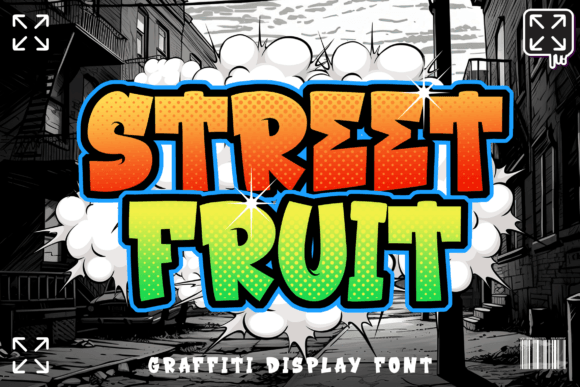
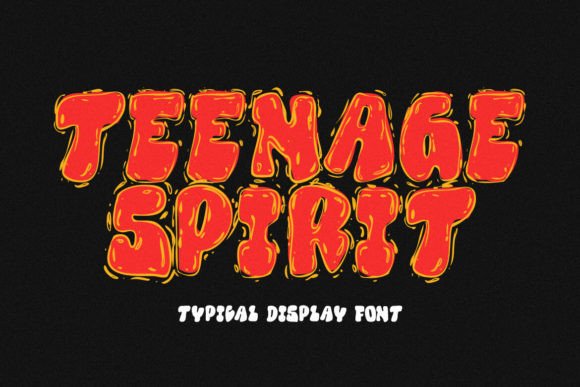
At its core, Teenage Spirit is a bold, rebellious graffiti-themed font. However, unlike many standard graffiti fonts that rely solely on thick outlines or simple drips, this typeface incorporates a playful splash layer. This feature adds a rough and rugged texture to the letterforms, mimicking the unpredictable nature of spray paint on concrete or brick. This textural element is not just decorative; it provides depth and authenticity that flat vector shapes often lack.
The font is available in two styles, offering a degree of flexibility that is sometimes missing in niche display faces. These styles allow designers to create hierarchy or variation within a single composition without needing to pair disparate fonts. The primary appeal lies in its ability to tap directly into the energy and spirit of contemporary street art, making it well-suited for designs that need to feel immediate, loud, and unpolished.
Key Visual Characteristics
- Textural Depth: The splash layer creates a sense of movement and organic imperfection.
- Bold Weight: The heavy stroke ensures high visibility, crucial for headlines and logos.
- Urban Authenticity: The letterforms reflect the hand-style influences of real-world tagging and mural art.
Comparing Teenage Spirit to Other Display Options
When evaluating typography for edgy or youth-oriented projects, designers typically consider three broad categories: clean sans-serifs with heavy weights, traditional script-based graffiti fonts, and textured display faces like Teenage Spirit. Understanding where this font fits among these alternatives helps clarify its best-use scenarios.
Versus Clean Sans-Serifs: Heavy sans-serif fonts are versatile and legible, making them safe choices for corporate branding or tech startups. However, they often lack the emotional resonance required for subcultural projects. If your goal is to convey rebellion, creativity, or underground credibility, a clean sans-serif may feel too sterile. Teenage Spirit offers the visual weight of a bold sans but injects it with personality and cultural context.
Versus Traditional Graffiti Scripts: Many graffiti fonts prioritize complex ligatures and elaborate flourishes that mimic wildstyle tagging. While visually impressive, these can be difficult to read at smaller sizes or when used in quick-glance media like social media ads. Teenage Spirit strikes a balance; it retains the graffiti aesthetic but maintains enough structural clarity to remain legible. The splash layer adds interest without obscuring the letterforms entirely.
Versus Generic Grunge Fonts: There is no shortage of "grunge" or "distressed" fonts available. The difference with Teenage Spirit is the intentionality of the distress. Rather than applying a random noise filter to a standard font, the splash layer is integrated into the design of the glyphs. This results in a more cohesive look that feels authentic rather than artificially aged.
Practical Use Cases and Industry Fit
The effectiveness of any typeface depends heavily on context. Teenage Spirit is not a universal solution, but it excels in specific industries and media formats where its bold vibe aligns with the brand message.
Streetwear and Fashion Branding
In the streetwear industry, authenticity is currency. Brands often seek to distance themselves from polished, mainstream aesthetics. Using Teenage Spirit for logo marks, t-shirt graphics, or lookbook headers can instantly signal alignment with skate and hip-hop cultures. The rugged texture complements fabric prints well, especially when used in screen printing where slight imperfections add to the garment's character.
Music and Event Promotion
For concert posters, album covers, and festival branding, particularly in genres like punk, hip-hop, or electronic dance music, the font’s energetic presence is a strong asset. It commands attention in cluttered visual environments. When paired with high-contrast photography or vibrant color palettes, it helps create a dynamic composition that appeals to younger demographics.
Digital Media and Social Content
While primarily a display font, Teenage Spirit can be effective in digital spaces if used sparingly. It works well for short, impactful headlines in Instagram stories or YouTube thumbnails. However, designers must be cautious about readability on small screens. The intricate splash details may blur or pixelate at very small sizes, so it is best reserved for large-scale digital elements.
Limitations and Tradeoffs to Consider
No font is perfect for every situation, and Teenage Spirit has clear limitations that must be acknowledged during the selection process.
Legibility Constraints: Due to its decorative nature and textured layers, this font is not suitable for body text. Attempting to use it for paragraphs or long-form content will result in poor readability and user fatigue. It should be strictly limited to headlines, titles, and short call-to-action phrases.
Contextual Mismatch: The rebellious vibe of Teenage Spirit can clash with brands that require a tone of trust, stability, or professionalism. For example, using this font for a financial services website or a healthcare brochure would likely undermine the intended message of reliability. It is crucial to ensure that the font’s personality aligns with the brand’s core values.
Production Complexity: The splash layer adds visual complexity, which can pose challenges in certain print processes. For instance, if you are using spot colors or limited-color printing, managing the transparency and overlap of the splash effects may require additional pre-press work. Designers should always test proofs to ensure the texture translates well to the chosen medium.
Decision Framework: Is Teenage Spirit Right for Your Project?
To determine whether Teenage Spirit is the appropriate choice, consider the following questions:
- What is the primary emotion you want to evoke? If the answer involves energy, rebellion, youth, or urban culture, this font is a strong candidate. If the goal is calmness, elegance, or corporate authority, look elsewhere.
- Where will the text appear? If it is for a large headline, poster, or apparel graphic, the font will shine. If it needs to be read quickly at a small size, such as in a mobile app interface or footnote, it is likely unsuitable.
- Who is the target audience? Adults aged 20–50 who are interested in street culture, music, or fashion will respond positively to this aesthetic. Older demographics or more conservative audiences may find it distracting or unprofessional.
- Do you have the technical resources? Ensure your design software and output methods can handle the layered texture effectively. Simple black-and-white photocopies may lose the nuance of the splash layer.
Final Thoughts on Integration
Teenage Spirit offers a compelling blend of boldness and texture that few other graffiti-themed fonts achieve with such coherence. Its standout splash layer provides a unique visual hook that can elevate designs from generic to memorable. However, its power lies in its specificity. It is not a background player; it is a lead actor.
For designers comparing options, the key is to view Teenage Spirit not just as a set of letters, but as a cultural signifier. When used appropriately in streetwear, music, and youth-centric projects, it delivers a strong statement that resonates with its intended audience. By respecting its limitations regarding legibility and context, you can harness its energy to create impactful, authentic designs that stand out in a saturated market. Always test the font in situ, considering both digital and print outputs, to ensure it meets the practical demands of your specific project.