Dropold: A Bold Western Serif for Vintage Design
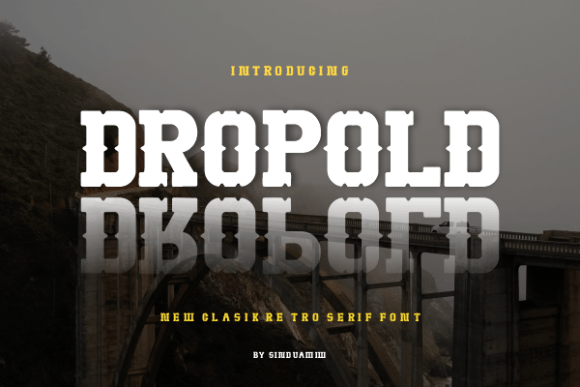
There is a distinct visual language associated with the American frontier. It is not merely about cowboys and horses; it is about resilience, craftsmanship, and a raw, unpolished aesthetic that commands attention. Dropold enters this space as a bold, Western-style serif font that embodies the rugged spirit of the frontier. Its strong lines and distinctive serifs evoke images of cowboy legends and wide-open plains, offering designers a tool that feels both historical and immediately impactful.
For many creatives, finding the right typeface is less about picking something "pretty" and more about finding a voice that matches the narrative. Dropold captures the essence of the Wild West with timeless flair, making it a versatile choice for projects that require weight, character, and a touch of nostalgia. But who exactly benefits from this specific stylistic choice, and how does it fit into modern design workflows?
Why Visual Weight Matters in Branding
In an era of minimalist, sans-serif dominance, a font like Dropold stands out because it refuses to be quiet. The typography carries inherent authority. For small business owners and entrepreneurs, particularly those in industries like craft brewing, artisanal goods, or outdoor apparel, this visual weight translates directly to brand perception. It suggests durability and tradition.
Consider a local coffee roaster trying to differentiate themselves from sleek, tech-focused competitors. Using Dropold on their packaging does not just label the product; it tells a story of earthiness and robust flavor. The distinctive serifs act as visual anchors, drawing the eye and creating a memorable impression. This is not just about aesthetics; it is about commercial value. A font that communicates the right values can reduce the need for excessive explanatory copy, allowing the design to do the heavy lifting.
Perspectives from Different Creators
The utility of Dropold varies significantly depending on the user’s role and experience level. Understanding these differences helps in evaluating whether this typeface aligns with your current project needs.
For Beginners and Hobbyists
If you are new to graphic design, one of the biggest challenges is balancing decoration with readability. Dropold is forgiving in this regard. Because its structure is based on classic Western wood-type traditions, it follows familiar patterns. Beginners can use it effectively without needing advanced typesetting skills. It works well in large sizes for posters, social media graphics, or simple logos. The primary priority here is ease of use. You do not need to tweak kerning pairs extensively to make it look professional; the font’s innate character provides a polished look straight out of the box.
For Professional Designers and Publishers
Experienced designers often look for flexibility and nuance. They evaluate Dropold not just for its bold display qualities but for how it pairs with other typefaces. A professional might use Dropold for headlines while pairing it with a clean, neutral sans-serif for body text. This contrast creates a dynamic hierarchy that guides the reader through the content. For publishers working on historical fiction covers or themed magazines, the font offers authenticity. It avoids the cartoonish clichés sometimes found in cheaper Western fonts, providing a more sophisticated take on the genre. The focus here shifts to quality and presentation.
For Marketers and Content Creators
Marketers are constantly battling for attention in crowded digital feeds. Dropold’s bold strokes ensure high visibility even on small mobile screens. When used in ad creatives for sales events or limited-time offers, the font conveys urgency and strength. It is particularly effective for campaigns targeting demographics that value heritage and authenticity. For bloggers and influencers in the lifestyle or travel niche, using Dropold in quote graphics or header images can reinforce a personal brand centered on adventure and exploration. The key metric for this group is impact and engagement.
Practical Applications Across Industries
To truly understand the versatility of Dropold, it helps to look at specific use cases. The font’s adaptability allows it to transcend simple Western themes if applied creatively.
- Vintage Signage and Retail: Ideal for shop windows, menu boards, and sale signs where legibility from a distance is crucial. The thick serifs hold up well against textured backgrounds like wood or brick.
- Apparel Designs: Perfect for t-shirts, hoodies, and hats. The bold nature of the font ensures that prints remain clear after multiple washes, appealing to fashion brands focused on streetwear or outdoor gear.
- Event Branding: Music festivals, rodeos, and county fairs can utilize Dropold to create cohesive visual identities across tickets, banners, and merchandise.
- Digital Headers: Websites focusing on history, gaming, or storytelling can use Dropold for hero sections to set an immediate tonal expectation.
Evaluating Fit for Your Project
Before committing to Dropold for a major project, consider your specific priorities. Are you looking for speed in execution, or are you prioritizing long-term usefulness? For quick-turnaround projects like social media posts, Dropold’s ready-made character saves time. For long-term branding, consider how well it integrates with your existing color palette and imagery.
It is also important to assess the learning value for your team. If you are an educator teaching typography, Dropold serves as an excellent example of slab-serif mechanics and historical influence. It allows students to explore how letterforms convey emotion and cultural context. For freelancers, adding a high-quality Western serif to their toolkit expands the range of clients they can serve, particularly those in niche markets that value rustic aesthetics.
Balancing Tradition and Modern Needs
While Dropold is rooted in the past, its application is firmly present-day. Modern design tools allow for easy manipulation of weight, spacing, and color, enabling users to push the boundaries of what a Western font can do. You might choose to use it in a monochrome palette for a sleek, modern look, or pair it with vibrant, contemporary colors for a playful twist.
Consumers and hobbyists should also consider the context of use. If you are creating a family reunion invitation with a rustic theme, Dropold adds a personal, handcrafted feel that standard system fonts cannot match. It elevates a simple document into a keepsake. However, avoid using it for long blocks of text. Its strength lies in display settings—headlines, titles, and short phrases. Using it for body copy can strain the reader’s eyes due to the heavy serifs and dense structure.
Ultimately, Dropold is more than just a collection of letters; it is a design element that carries cultural weight. Whether you are a seasoned art director refining a campaign or a small business owner designing your first logo, this font offers a reliable, expressive option. It bridges the gap between historical charm and modern design requirements, providing a sturdy foundation for any project that dares to be bold. By understanding its strengths and limitations, you can leverage Dropold to create work that is not only visually striking but also deeply resonant with your intended audience.