Gred: A Geometric Condensed Font for Bold Typography
In the landscape of modern graphic design, typography serves as the primary vehicle for communication. Among the myriad options available to designers, Gred has emerged as a notable choice for those seeking a geometric condensed typeface with distinct masculine characteristics. This font is not merely a stylistic variation; it represents a specific approach to visual hierarchy and impact. Understanding the nuances of Gred is essential for designers, marketers, and brand managers who are evaluating whether its aesthetic aligns with their project requirements.
Understanding the Design Philosophy of Gred
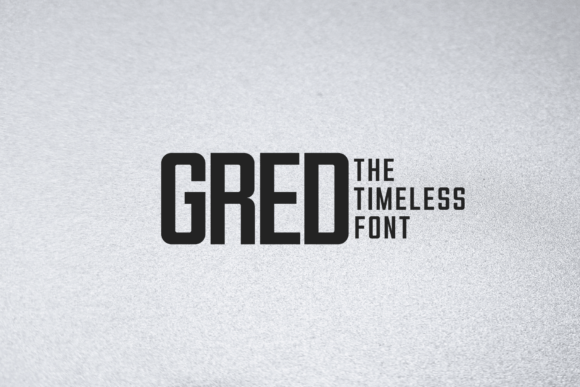
Gred is defined by its geometric construction and condensed proportions. Unlike humanist sans-serifs that mimic natural handwriting strokes, geometric fonts are built on mathematical shapes—circles, squares, and triangles. Gred takes this foundation and compresses it horizontally, resulting in a tall, narrow letterform. This condensation allows for more characters to fit within a limited horizontal space without sacrificing legibility or reducing the point size excessively.
The "bold attributes" mentioned in its description refer to the weight distribution of the strokes. Gred typically features uniform stroke widths with minimal contrast between thick and thin lines. This creates a solid, block-like appearance that conveys stability and strength. The "modern, masculine touch" is achieved through sharp terminals and a lack of decorative serifs or soft curves, giving the typeface an industrial and assertive feel. It is designed to command attention rather than blend into the background.
Primary Use Cases and Applications
When evaluating Gred, it is crucial to consider where it performs best. The font is explicitly optimized for headings and titles. Its structural integrity makes it ideal for short bursts of text where immediate visual impact is required. Below are several contexts where Gred proves to be a strong fit:
- Poster Design: In large-format printing, such as event posters or advertising billboards, Gred’s condensed nature allows for massive headline sizes that remain readable from a distance. The bold weight ensures the message cuts through visual clutter.
- Logo Creation: For brands aiming to project confidence, durability, or modernity, Gred provides a solid typographic foundation. It works particularly well for tech startups, fitness brands, and automotive companies where a sleek, powerful image is desired.
- Apparel and Merchandise: T-shirt designs often rely on typography as the central graphic element. Gred’s geometric clarity translates well to screen printing and embroidery, offering a clean look that appeals to contemporary fashion trends.
- Social Media Graphics: In digital environments where screen real estate is limited, especially on mobile devices, condensed fonts allow designers to create striking overlays on images without obscuring the underlying visual content.
Evaluating the Benefits
The decision to incorporate Gred into a design system offers several tangible benefits. First, its space efficiency is unparalleled. Designers working with tight layouts can use Gred to maintain large font sizes for emphasis while adhering to strict spatial constraints. This is particularly valuable in web design headers or mobile app interfaces where horizontal space is at a premium.
Secondly, the font’s modern aesthetic ensures relevance. Trends in graphic design have shifted toward minimalism and brutalism, both of which favor clean, bold, and unadorned typography. Gred fits seamlessly into these styles, providing a contemporary look that does not feel dated. Furthermore, its masculine tone can help establish a specific brand personality, differentiating a product from competitors who may use softer, more rounded typefaces.
Tradeoffs and Limitations
While Gred offers significant advantages, it is not a universal solution. A balanced evaluation requires acknowledging its limitations. The most critical consideration is readability in long-form text. Condensed geometric fonts are generally unsuitable for body copy. The narrow letterforms and uniform stroke weights can cause visual fatigue when read in paragraphs, as the eye struggles to distinguish individual characters quickly. Therefore, Gred should be paired with a more open, legible sans-serif or serif font for substantial text blocks.
Additionally, the "masculine" character of the font may not align with all brand identities. Projects requiring a sense of warmth, elegance, or traditional sophistication may find Gred too stark or aggressive. For example, a luxury spa or a children’s educational platform might benefit more from a script or a humanist sans-serif that conveys approachability and care.
Strategic Considerations for Implementation
To maximize the effectiveness of Gred, designers should consider pairing strategies. Because Gred is dominant and bold, it pairs well with neutral, light-weight fonts. A common approach is to use Gred for headlines and a simple, open sans-serif like Roboto or Open Sans for subheadings and body text. This contrast creates a clear visual hierarchy, guiding the reader’s eye through the content logically.
Color selection also plays a pivotal role. Gred’s bold structure holds up well against high-contrast backgrounds. Black text on white, or vice versa, highlights its geometric precision. However, it can also support vibrant, saturated colors for a more dynamic, youthful appeal. Designers should experiment with kerning, as condensed fonts sometimes require manual adjustment to ensure optimal spacing between specific letter pairs, such as "AV" or "To," to prevent visual collisions.
When to Consider Alternatives
There are scenarios where alternative typefaces may serve the project better. If the design requires a high degree of legibility at small sizes, such as in footnotes or legal disclaimers, a standard proportional sans-serif is a safer choice. Similarly, if the brand identity is rooted in heritage or tradition, a serif font might convey the necessary authority and history more effectively than a modern geometric style.
Furthermore, if the design goal is to evoke friendliness or informality, Gred’s rigid structure may feel too cold. In such cases, a rounded sans-serif or a handwritten style could better achieve the desired emotional connection with the audience. It is always advisable to test Gred alongside two or three alternative fonts in the actual design context to determine which best supports the overall communication goals.
Conclusion
Gred stands out as a specialized tool in the designer’s toolkit. Its geometric condensed structure, bold attributes, and modern aesthetic make it an excellent choice for headings, logos, and impactful short-form content. By understanding its strengths in space efficiency and visual impact, while respecting its limitations in long-form readability and tonal range, designers can make informed decisions. Whether used for a striking poster, a bold logo, or a social media campaign, Gred offers a distinctive voice that aligns well with contemporary, assertive design narratives. Evaluating it against project-specific needs ensures that its application enhances rather than detracts from the overall design objective.