Groovy Cat: A Practical Guide to Using This Playful Display Font
In the crowded landscape of digital typography, finding a typeface that balances personality with legibility is often a challenge for designers and content creators. Groovy Cat emerges as a distinct option in this space, positioning itself as a fun and incredibly cute display font. While many decorative fonts sacrifice readability for style, Groovy Cat aims to bridge the gap between whimsical aesthetics and functional design. For professionals ranging from marketers to small business owners, understanding the specific utility of such a niche typeface is essential before integrating it into a broader visual identity.
This article examines the characteristics, practical applications, and strategic value of Groovy Cat. By evaluating its performance in real-world scenarios, we can determine whether it aligns with your project goals and audience expectations.
Defining the Aesthetic and Core Characteristics
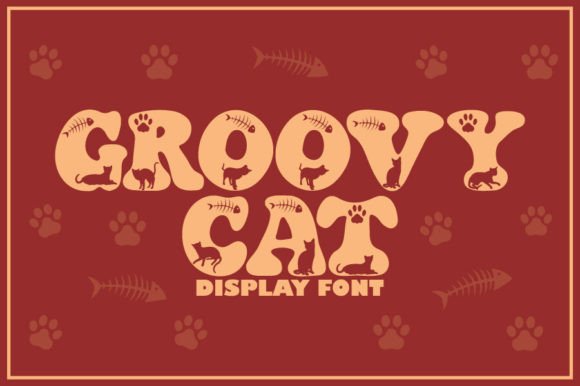
Groovy Cat is classified as a display font, which means it is designed primarily for use at large sizes, such as headlines, logos, and short bursts of text, rather than long-form body copy. Its visual language draws heavily from retro-inspired curves and soft, rounded terminals. The letterforms are characterized by their irregular yet balanced proportions, giving the typeface a hand-drawn feel without appearing messy or unpolished.
The "cute" aspect of Groovy Cat is not merely a marketing label but a structural reality. The letters feature open counters and generous spacing, which contributes to an approachable and friendly tone. This makes the font particularly effective for brands or projects that wish to convey warmth, creativity, and accessibility. Unlike rigid geometric sans-serifs or traditional serifs, Groovy Cat breaks conventional typographic rules to create a sense of movement and playfulness.
For creators, the primary strength of Groovy Cat lies in its ability to capture attention quickly. In an era where digital attention spans are short, a headline set in Groovy Cat can serve as a visual hook, encouraging users to engage further with the content. However, this effectiveness is contingent on proper usage. Because it is a display font, its intricate details may become lost or appear cluttered if used at small sizes.
Practical Applications and Industry Fit
Identifying the right context for Groovy Cat is crucial for maximizing its impact. Based on its stylistic traits, the font performs best in industries and projects that prioritize emotion and connection over strict corporate formality. Below are several sectors where Groovy Cat can add significant value:
- Children’s Education and Products: The playful nature of the font makes it an ideal choice for educational materials, toy packaging, and children’s book covers. It resonates well with younger audiences while remaining legible enough for parents and educators.
- Craft and DIY Communities: As noted in its description, Groovy Cat is perfectly suitable for any design or crafty idea. It mimics the aesthetic of hand-lettering often seen in scrapbooking, sticker design, and handmade goods, providing a professional finish to amateur creations.
- Lifestyle and Wellness Brands: Businesses focused on self-care, yoga, or organic products can use Groovy Cat to soften their brand image. It suggests a relaxed, non-judgmental atmosphere that appeals to consumers seeking comfort and positivity.
- Social Media Graphics: For influencers and marketers, creating eye-catching quotes or announcement graphics is a daily task. Groovy Cat stands out in feed layouts, especially when paired with pastel colors or vibrant illustrations.
It is important to note that Groovy Cat may not be suitable for highly technical, legal, or financial sectors where authority and neutrality are paramount. In these contexts, the font’s whimsical nature could undermine the perceived seriousness of the message.
Evaluating Usability and Design Flexibility
From a technical standpoint, the usability of a font depends on its versatility across different media. Groovy Cat demonstrates consistent quality in both print and digital formats. When used in web design, it renders clearly on most modern screens, provided the size is kept above 18 pixels for optimal readability. For print projects, such as posters or flyers, the font maintains its integrity even at very large scales, allowing for creative cropping and layering effects.
One of the key advantages of Groovy Cat is its compatibility with other typefaces. Because it has a strong personality, it pairs best with neutral, simple fonts. A clean sans-serif like Helvetica or Open Sans works well for body text, creating a visual hierarchy that lets Groovy Cat shine in headings without overwhelming the reader. This combination ensures that the design remains balanced and professional.
Designers should also consider color and background contrast. Groovy Cat’s rounded forms look particularly effective when used in bold colors against light backgrounds, or vice versa. Adding subtle drop shadows or outlines can enhance its visibility in complex layouts, but over-processing should be avoided to maintain the font’s natural charm.
Strategic Value for Professionals and Creators
For freelancers and agency owners, adding Groovy Cat to their toolkit offers a strategic advantage. Clients often seek unique visual identities that differentiate them from competitors. A generic font library may limit creative options, whereas a specialized display font like Groovy Cat provides a ready-made solution for projects requiring a specific emotional tone.
Moreover, the efficiency of using a pre-designed character set cannot be overstated. While custom hand-lettering offers uniqueness, it is time-consuming and expensive. Groovy Cat provides a consistent, scalable alternative that saves time during the design process. This allows creators to focus on layout, composition, and messaging rather than spending hours drawing individual letters.
For educators and publishers, the font’s clarity and engagement potential can improve learning outcomes. Materials that are visually appealing are more likely to be read and retained by students. By incorporating Groovy Cat into worksheets, presentations, or classroom decorations, educators can create a more inviting learning environment.
Limitations and Best Practices
While Groovy Cat offers numerous benefits, it is not without limitations. Understanding these constraints is essential for professional application. First, as a display font, it should never be used for paragraphs of text. The irregular shapes and decorative elements can cause eye strain when read in long sequences. Stick to headlines, subheadings, and short captions.
Second, accessibility must remain a priority. Ensure that there is sufficient contrast between the text and the background. Users with visual impairments may struggle with highly stylized fonts if the contrast is low. Always test designs with accessibility tools to confirm compliance with standards such as WCAG.
Finally, avoid overusing the font within a single project. Using Groovy Cat for every element can dilute its impact and make the design appear chaotic. Use it sparingly to highlight key messages, allowing the rest of the design to support and frame it effectively.
Final Thoughts on Integrating Groovy Cat
Groovy Cat represents a valuable resource for designers and creators who need to inject personality into their work. Its success lies in its ability to convey joy and creativity without sacrificing professional quality. By understanding its strengths and limitations, you can make informed decisions about when and how to use it.
Whether you are designing a logo for a new boutique, creating social media content, or developing educational materials, Groovy Cat can enhance your visual communication. Add it confidently to your projects, but always ensure it serves the broader goals of clarity and engagement. When used thoughtfully, you will love the results, and your audience will appreciate the thoughtful, human touch it brings to your design.