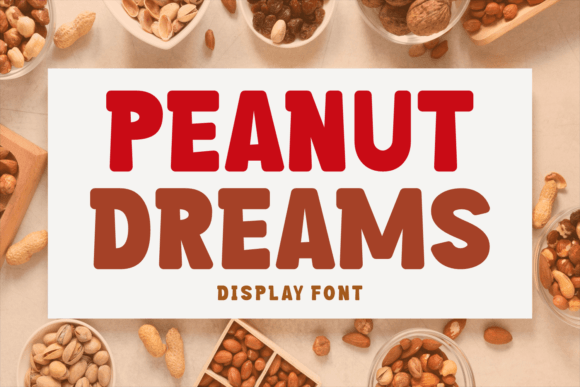
Peanut Dreams: Bold Display Font for Designers
Typography is often the silent ambassador of your brand, speaking volumes before a single image is processed. In a digital landscape saturated with clean sans-serifs and traditional serifs, finding a typeface that balances approachability with visual impact can be a challenge. This is where Peanut Dreams enters the conversation. It is not merely a font; it is a design tool crafted to inject personality into static layouts. As a friendly and bold display font, it offers a unique combination of strong strokes and playful charm, making it an ideal choice for creators who want their work to resonate on a human level.
For designers, marketers, and small business owners, the search for the right typeface is rarely just about aesthetics. It is about communication efficiency. Peanut Dreams bridges the gap between professional polish and creative whimsy. Its distinct character ensures that headlines do not just sit on the page—they engage the viewer. Whether you are designing a poster for a local community event or crafting a header for a lifestyle blog, this font provides the visual weight necessary to catch the eye while maintaining a welcoming tone.
The Anatomy of Playful Boldness
What makes Peanut Dreams particularly effective is its structural integrity paired with organic curves. Many "playful" fonts sacrifice readability for style, resulting in text that looks cute but fails to communicate clearly. Conversely, many bold fonts feel aggressive or corporate. Peanut Dreams avoids both pitfalls. The strong strokes provide a solid foundation, ensuring legibility even at smaller sizes or from a distance, while the playful nuances in the letterforms add a layer of warmth.
This duality allows for versatile application. The font does not scream for attention in a chaotic way; rather, it invites the viewer in. For educators creating classroom materials, this balance is crucial. You need text that is firm enough to establish structure but friendly enough to reduce anxiety for students. Similarly, for hobbyists creating invitations or personal projects, the font conveys enthusiasm without appearing unprofessional. It is a testament to the idea that design can be both functional and emotionally resonant.
Practical Applications for Modern Creators
Understanding the theoretical appeal of a font is one thing; applying it effectively is another. Here is how different professionals can leverage Peanut Dreams to enhance their specific projects:
- Poster Design and Event Marketing: When promoting workshops, festivals, or local markets, your headline needs to stand out against busy backgrounds. Use Peanut Dreams for the main title to create an immediate focal point. Pair it with a simple, neutral sans-serif for the details to maintain hierarchy and clarity.
- Digital Content and Blogging: Online readers scan content quickly. Using Peanut Dreams for H2 and H3 headers breaks up text blocks and adds visual interest. It signals a shift in tone, keeping the reader engaged as they scroll through long-form articles.
- Brand Identity for Small Businesses: Cafes, boutiques, and creative agencies often struggle to appear established yet approachable. Incorporating this font into logos or packaging can soften a brand’s image, making it feel more accessible and community-oriented.
- Educational Resources: Teachers and publishers can use the font for chapter titles or key concepts in worksheets. Its clarity helps young learners recognize letters, while its style keeps the material from feeling sterile or intimidating.
Strategic Pairing and Visual Harmony
A common mistake when using a distinctive display font like Peanut Dreams is overusing it. Because it has such a strong personality, it works best when given space to breathe. Think of it as the lead actor in a play; it should have the spotlight, but it needs a supporting cast to make the scene work.
For optimal results, pair Peanut Dreams with a minimalist sans-serif font for body text. Fonts like Helvetica, Open Sans, or Lato provide a clean contrast that allows the display font to shine without competing for attention. Avoid pairing it with other decorative or script fonts, as this can create visual clutter and confuse the reader. The goal is consistency and organization. By keeping the secondary typography simple, you ensure that the message remains clear and the design feels intentional rather than accidental.
Color also plays a pivotal role in how this font is perceived. While it works well in black and white, experimenting with vibrant colors can amplify its playful nature. Pastel tones can soften the bold strokes for a gentle, nurturing feel, suitable for baby products or wellness brands. On the other hand, high-contrast combinations like navy blue and yellow can energize the font, making it perfect for sports events or tech startups looking to appear innovative and friendly.
Adapting to Different Audiences and Platforms
The versatility of Peanut Dreams extends across various platforms, but each context requires slight adjustments in usage. On social media, where attention spans are short, use the font for quote graphics or announcement stories. The bold strokes ensure readability on small mobile screens, while the charm encourages shares and engagement.
For print media, such as brochures or flyers, consider the scale. Peanut Dreams excels in large formats. If you are designing a business card, use it sparingly—perhaps only for the name or the company tagline. Overcrowding a small space with a bold display font can reduce legibility. Always prioritize the user experience. Ask yourself: Is this easy to read? Does it convey the right emotion? If the answer is yes, you are using the font effectively.
Freelancers and entrepreneurs should also consider the psychological impact of their typography. Clients often judge professionalism based on subtle cues. A well-chosen font like Peanut Dreams signals that you pay attention to detail and understand modern design trends. It suggests that you value creativity but also respect the need for clear communication. This perception can be a significant advantage when pitching to potential clients who are looking for partners that are both innovative and reliable.
Maintaining Originality and Consistency
To keep your designs fresh, experiment with different weights and spacing if the font family allows. Even within a single typeface, adjusting kerning or line height can dramatically change the mood. Tighter spacing can create a sense of urgency and cohesion, while looser spacing can evoke calmness and luxury. These small tweaks allow you to adapt Peanut Dreams to various project requirements without losing its core identity.
Ultimately, the power of Peanut Dreams lies in its ability to humanize design. In an era of automated templates and generic assets, choosing a font with genuine character sets your work apart. It reminds the audience that there is a person behind the brand, a creator behind the content. Whether you are designing a headline for a major campaign or a label for a homemade jam jar, let the bold strokes and playful charm of Peanut Dreams guide your creative decisions. By balancing inspiration with practical application, you can create visuals that are not only seen but felt.