Soenya: Mastering the Handwritten Aesthetic in Modern Branding
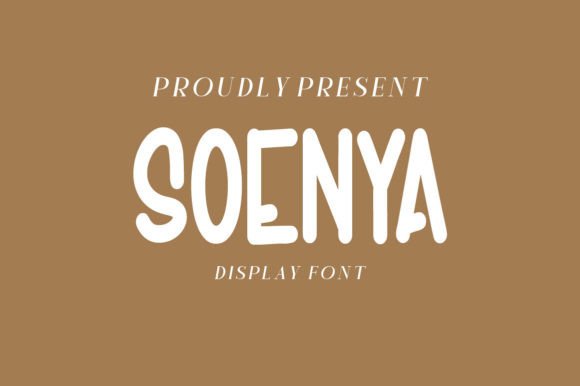
Choosing a typeface is often the most critical visual decision a brand makes. It sets the tone before a single word is read. Among the myriad of options available today, Soenya stands out as a distinctive display font with a genuine handwritten style. Its organic curves and imperfect strokes offer a human touch that sterile, geometric fonts simply cannot replicate. However, the appeal of handwritten typography often leads designers and business owners into common traps. While Soenya is versatile enough for logo design, t-shirt printing, and export-ready marketing materials, using it incorrectly can undermine your brand’s professionalism.
This guide explores how to leverage Soenya effectively while avoiding the pitfalls that plague many amateur branding projects. By understanding the nuances of this typeface, you can ensure your designs communicate warmth and authenticity without sacrificing readability or impact.
The Misconception of "Casual" Meaning "Unprofessional"
A frequent mistake when working with handwritten fonts like Soenya is assuming they are only suitable for informal or playful contexts. Many entrepreneurs hesitate to use such styles for serious businesses, fearing they will appear amateurish. This hesitation often stems from seeing poorly executed examples where illegible script was used for body text or complex legal disclaimers.
In reality, Soenya is designed as a display font. This means it is intended for headlines, logos, and short bursts of text where personality is paramount. When used correctly, it conveys approachability and craftsmanship. Consider a boutique coffee shop or an artisanal soap maker. A rigid, sans-serif font might feel cold and corporate. Soenya, with its natural flow, suggests that a human hand crafted the product. The key is context. Do not use it for long paragraphs. Instead, let it shine in large sizes where its unique character traits—such as varying stroke widths and slight irregularities—are appreciated as artistic features rather than readability flaws.
Overlooking Legibility in Small-Scale Applications
One of the most damaging errors in branding is ignoring scale. Soenya’s handwritten nature includes connected letters and stylistic flourishes that look beautiful at 72 points but can turn into an indecipherable blob at 12 points. Beginners often fall in love with the aesthetic on their large monitor and fail to test how the font performs on actual merchandise or mobile screens.
For instance, if you are designing a t-shirt print, the placement matters immensely. Using Soenya for a small tagline near the hem might result in a muddy mess after the first wash. A better approach is to pair Soenya with a clean, simple sans-serif font for supporting text. Use Soenya for the main graphic element or the brand name, ensuring it remains large enough to be read from a distance. Always print a physical proof or view your design at 100% zoom on a mobile device simulation before finalizing files for export. This simple check saves costly reprints and ensures your message is received clearly.
Neglecting Kerning and Spacing Adjustments
Handwritten fonts are tricky because they mimic natural handwriting, which rarely follows strict grid systems. A common oversight is accepting the default spacing provided by the font file. In Soenya, certain letter combinations may create awkward gaps or collisions that disrupt the visual rhythm. For example, the connection between an uppercase 'A' and a lowercase 'v' might leave too much white space, breaking the illusion of a continuous stroke.
To avoid this, take time to adjust kerning manually. If you are creating a logo, convert the text to outlines or paths once you are satisfied with the spacing. This allows you to tweak individual anchor points for perfect balance. Remember, the goal of a handwritten style is to look effortless, but achieving that look often requires meticulous effort. Ignoring these micro-adjustments can make a custom logo look like a generic template, diminishing the perceived value of your brand.
Ignoring Color and Background Contrast
The delicate lines of Soenya can easily get lost against busy backgrounds or low-contrast color palettes. A frequent error in social media graphics and packaging design is placing light-colored handwritten text over a textured or patterned background. While this might look artistic in theory, it often fails in practice, causing eye strain for the viewer.
Ensure high contrast between your text and its background. If you must use a complex image, consider adding a subtle drop shadow or a solid shape behind the text to improve legibility. Alternatively, use Soenya in a bold weight if available, or increase the stroke thickness slightly in your design software. Testing your design in grayscale is a useful trick; if the text disappears when the color is removed, your contrast is insufficient. This step is crucial for accessibility and ensures your branding is inclusive to all audiences.
Using Soenya Without Considering Brand Consistency
Another pitfall is inconsistent application. Some brands use Soenya for their logo but switch to a completely different handwritten font for Instagram stories, then another for email headers. This fragmentation confuses customers and dilutes brand recognition. Soenya should be part of a cohesive visual identity system.
Define clear guidelines for where and how Soenya appears. Perhaps it is reserved exclusively for primary headings and signature elements. Create a style guide that specifies minimum sizes, acceptable color combinations, and pairing fonts. This discipline ensures that whether a customer sees your t-shirt, website, or business card, the experience feels unified. Consistency builds trust, and trust drives sales.
Final Checks Before Export and Production
Before you finalize any project involving Soenya, perform a thorough review. Check for licensing compliance if you are using a specific version of the font for commercial purposes. Ensure that all text has been outlined if sending files to a printer to prevent font substitution issues. Verify that the resolution is sufficient for the intended medium—300 DPI for print, 72 DPI for web.
By treating Soenya with the respect it deserves—as a powerful tool for humanizing your brand—you can avoid these common mistakes. It is not just a font; it is a voice. Use it wisely, and it will help your brand speak clearly, warmly, and memorably to your audience. Whether you are a freelancer designing a logo or a small business owner creating promotional materials, attention to detail will elevate your work from good to exceptional.